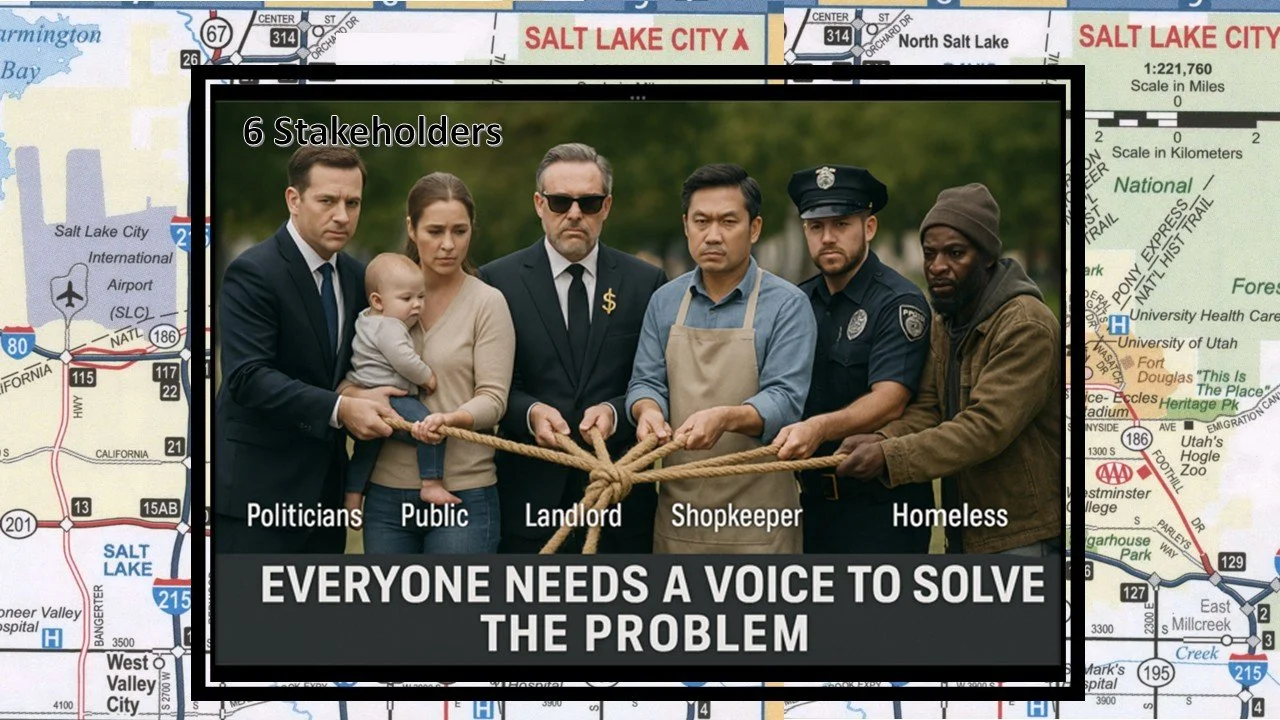
Homelessness is a multi-faceted problem with no easy solution but CAN BE FIXED with proper education, sufficient resources, skill development, personal accountability, “solutogenic” engagement, and public/politician awareness of effective program development and continuity of care.  Six groups need to be considered in the resolution process:

The following video captures the sentiments of those living on the streets who have ‘had their moments’ and look forward to having more if they can escape the ruts they are living in.

This song by Pearl Jam addresses the physical, mental, and social struggles associated with living on the streets:

It’s hard to comprehend what homelessness is like without experiencing it for ourselves. The following video from Los Angeles demonstrates what is happening repeatedly in Salt Lake City as well. Tragically, the homeless don’t have recourse or resources to fight it.

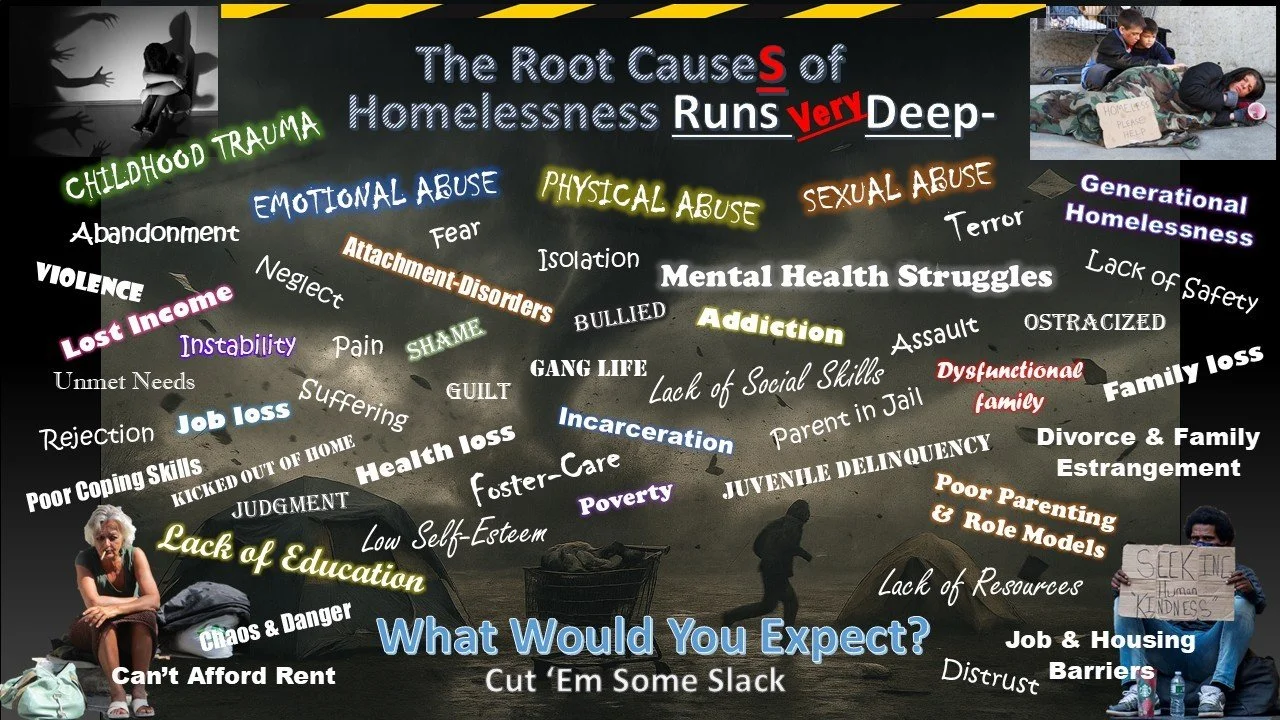
*The primary driver of homelessness is childhood trauma (and ongoing adult trauma).

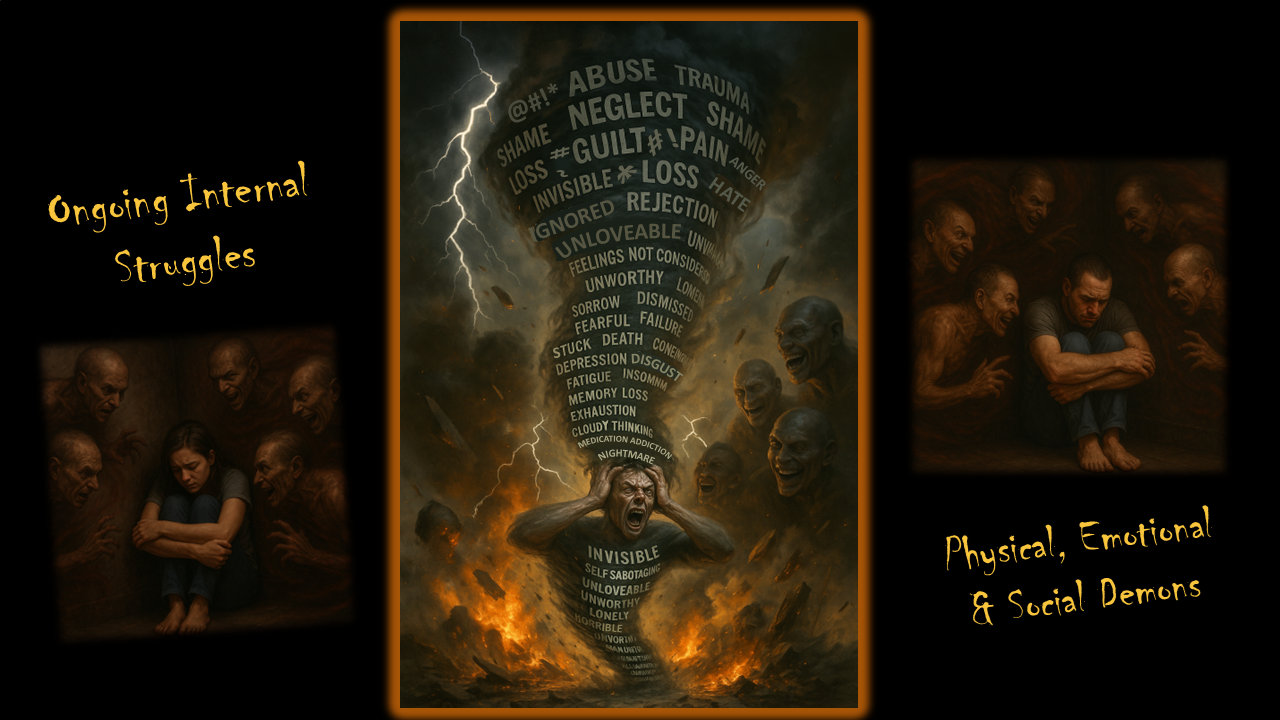
Because of unresolved trauma, abuse, and societal rejection, mental health is compromised and the sad, depressed, lonely, anxious person turns to faulty coping mechanisms that typically involve drugs in order to dull the physical, emotional & social pain they feel daily. It’s neither accurate nor fair to point the finger and say “they’re broken” without taking into account the myriad of traumatic reasons “why” they are the way they are. Looking for causes & context lead to reasons & insights, and hopefully increased compassion and less judgment along the way.

FACT: Among homeless youth, there is a 4 times higher rate of mental illness than the general population. Homeless individuals have a 49% rate of experiencing domestic violence, compared to only 2% of the general population. Several of these domestic abuse victims make up the homeless women in Utah. Bankruptcy, divorce, and many other reasons contribute to homelessness. (Myth #3 https://fourthstreetclinic.org/community-education/ )

Because of trauma, most homeless begin their journeys in life already handicapped by no fault of their own.

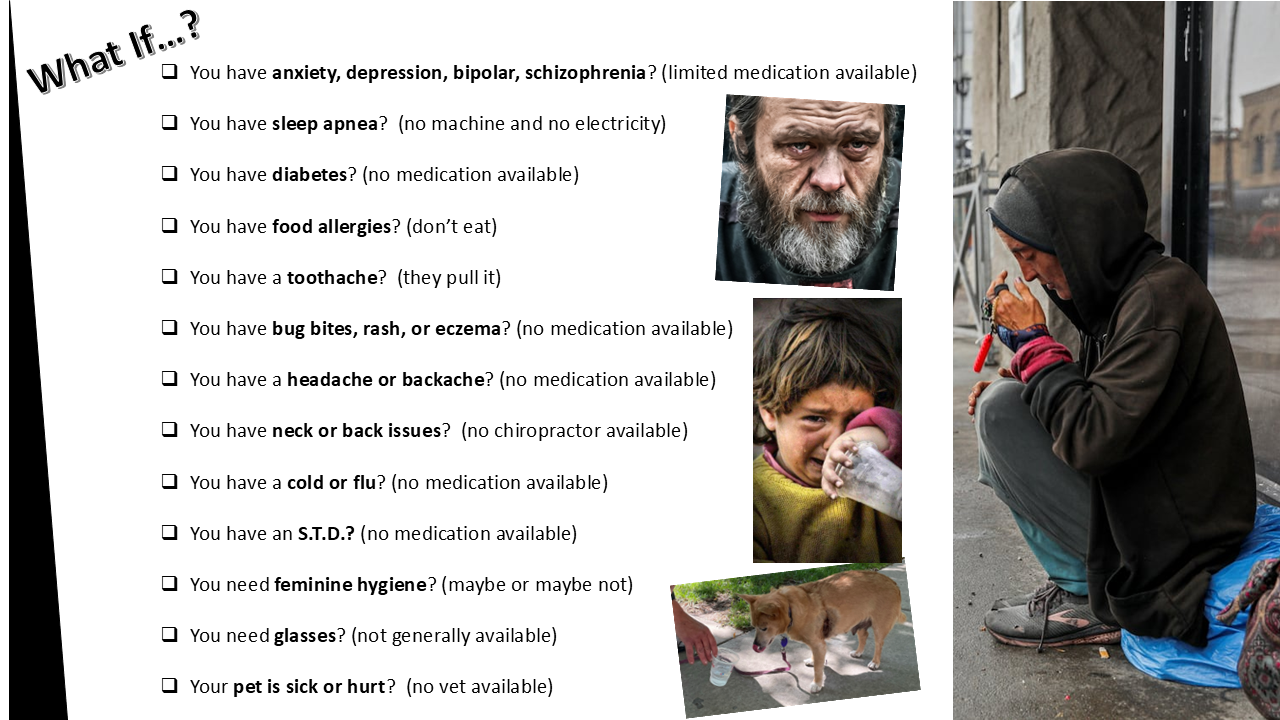
Their struggles are real like ours are except they don’t have the mental health counseling and medication available to them like most of us do.

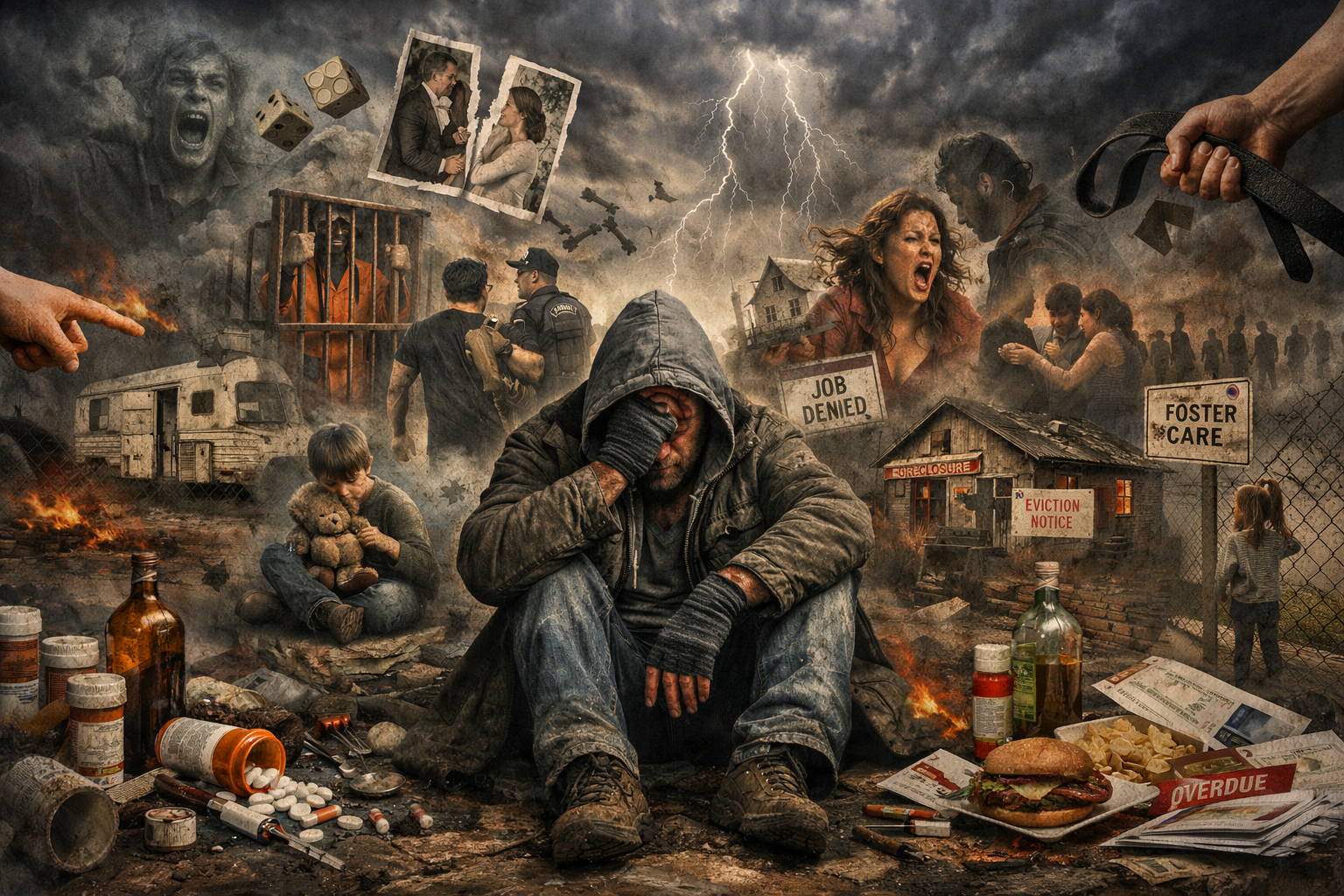
It is important to look at life from their perspective to more fully understand their ongoing struggles—they come from a trauma background with significant loss—and then experience trauma regularly through physical, emotional, or sexual abuse; have their stuff constantly stolen, confiscated, or thrown away; are told daily to move by the police (while trying to avoid being arrested for outstanding warrants & fines they couldn’t pay); being denied adequate services (showers, toilets, laundry); always wearing double or triple hand-me-downs; being rejected by their families; unable to stay warm, dry, or cool; always being at the mercy of others to feed & clothe them; panhandling for change; not having access to proper medication or mental health treatment; no consistent communication, transportation, or support network you can rely on; and then trying to figure out where you will sleep the next night. These, and a host of other problems, create a never-ending nightmare that would break most of us.

Have you ever considered this? You would if you were homeless:

The two preeminent doctors, Dr. Gabor Mate & Dr. Bessel Van der Kolk—author of “The Body Keeps The Score”—address the effects that trauma has on a person throughout their lives.