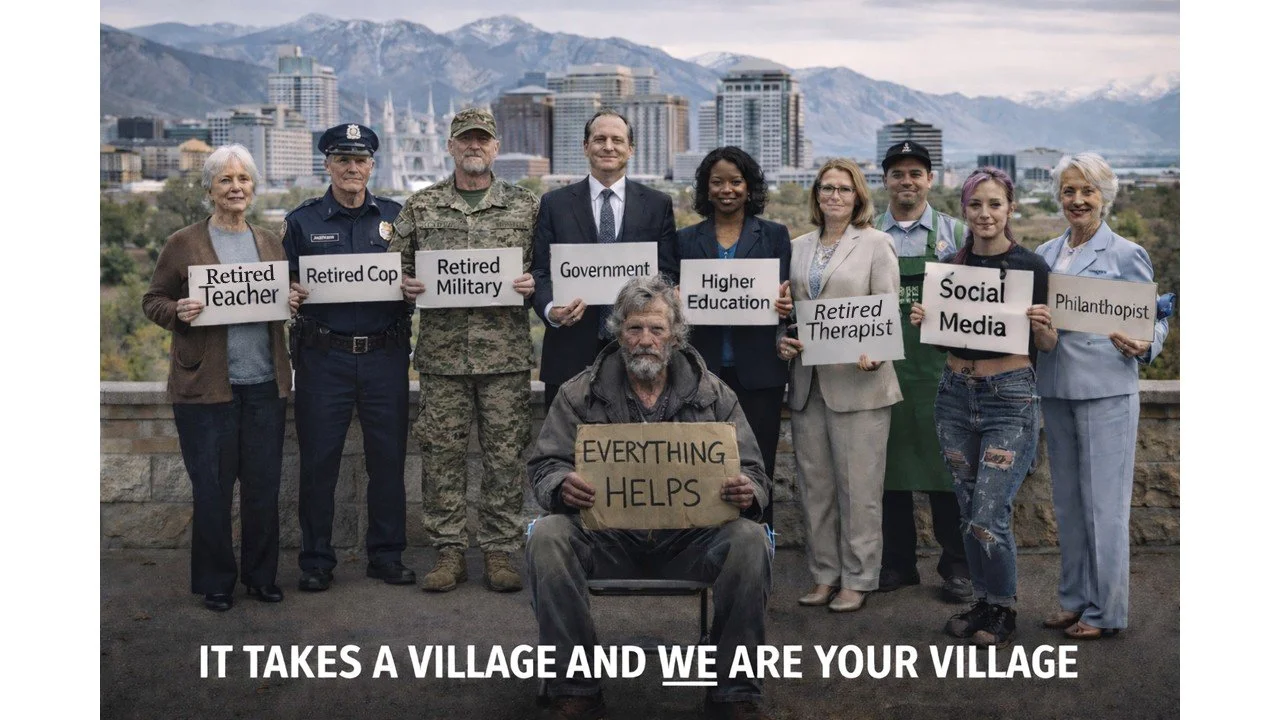
You change thinking by changing the conversation, and changing the conversation requires a changed perspective before the conversation even occurs. Conventional thinking gets conventional results with a modified status quo. Radical change requires unconventional cooking and ad hoc recipes including experimentation. Therefore, homelessness must be changed through novel education and not merely wrap-around, resource-driven-services. Teach fishing. —Rick

The term “education” means different things to different people. It can refer to the general principle of acquiring knowledge and learning new facts or truths not previously known or understood—or—learning a skill or developing a talent to accomplish something new. To say that Utah is offering education to the homeless is ambiguous and falls within a traditional resource-distribution-paradigm (providing money for low income students, providing money to house people, providing public awareness for the problem at hand, etc.) and does not necessarily include any new information or approaches that lead to change. Therefore, to say ‘education needs to be included in the change process’ really doesn’t mean anything. For this proposal, however, the term “education” refers to 1) specific 2) measurable 3) holistic 4) self-determining 5) strength-based and 6) mentored life-coaching via group-learning that does not include occupational skills or job placement. The education offered here is designed to change thinking, attitudes, behaviors, and by extension— choices—and ultimately, life-trajectory. Knowledge is power, and the homeless must “learn” their way out of homelessness instead of thinking they will somehow “earn” their way out through free resources. Educators—not legislators—need to be at the forefront of this problem.

Google lists the following organizations as “educational” in nature, but upon closer inspection, reveals that the ‘education’ referred to is merely free money for free stuff and not life-changing education that is necessary for upward mobility and changed consciousness. This traditional approach maintains a dependency upon the state instead of a fostering independence and individual growth & achievement.

As an educator by trade, I see homelessness through that filter and believe that correct information, delivered in carefully crafted—measured—engaging doses—can begin to shift individual paradigms & legislative policies that can ultimately lead to collective growth and effective community solutions. We know what doesn’t work, but not fully what does. As a result, let’s explore. Here are 12 specific actions that can be taken to effect change at the local level. These fall outside current programming-practices and fill a much-needed gap that supports addiction recovery principles and self-regulation techniques that are the mainstay in rehab facilities across the nation. The AA/NA 12-Step Recovery program has been perfected; education has not. Therefore, I propose the following 12 additional steps:

1.       Create a year-long pilot study to test the effectiveness of a 1) strength-based  2) holistic  3) group-therapy approach.  *Note:  Group therapy offers several benefits over one-on-one counseling, including a sense of belonging and support, increased accountability, and the opportunity to gain new perspectives from others facing similar challenges. It can also enhance social skills, emotional connection, and personal growth through shared experiences and feedback (see https://www.va.gov/caribbean-health-care/stories/benefits-of-group-therapy-sessions-for-ptsd/)

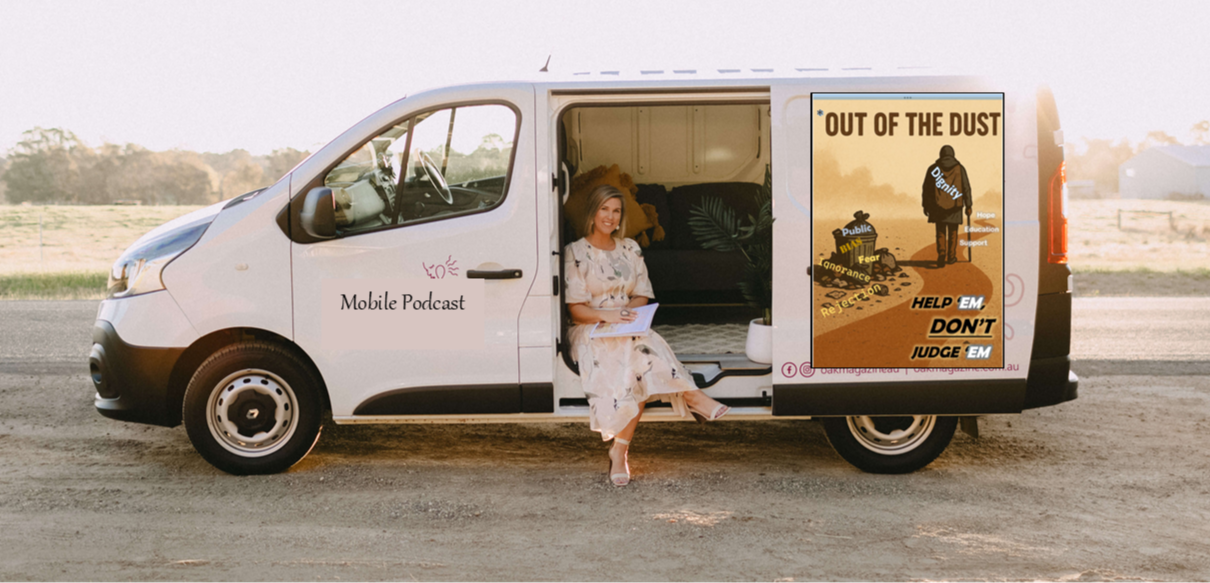
2.       In this proposed mobile classroom experiment, all needs (supplies, locations, curriculum, and volunteer-facilitators) will be provided and reliably present. Inherent risks and/or liabilities associated with such a pilot program will be adequately addressed with appropriate safe-guards put in place, as well as, ways to measure outcomes and determine ways for improvement.  Faculty, staff, & interns at the University of Utah Social Work program, along with Salt Lake Community College can help draft appropriate curriculum and ways to deliver it.  This could count towards intern hours getting real-time experience on the streets.

3.       In conjunction with this educational study, sufficient public resources must be allocated (and accounted for) including a public-relations campaign to create public buy-in and volunteers to help out.  Expectations for participants in this open-study must include good-faith efforts at sobriety and actively participating in an addiction recovery program of their choosing at locations and times convenient to them. Secure space will be provided to park their belongings while in session, as well as, light refreshments and electrolyte water to fill their bottles.  As part of the educational component, they will be taught a holistic curriculum that involves recurring mini-classes in 8 life-areas: physical, emotional, spiritual, intellectual, social, environmental, financial, and occupational.  These 20-minute classes will utilize best-practices pedagogies using digital projectors, speakers, whiteboards, YouTube, Ted-Talks, and other relevant online resources to supplement an interactive environment.  Simulated AI content can be developed to model a particular skill, behavior, or principle. This content can also be developed by the technology departments at the University of Utah and Salt Lake Community College and count towards graduation and/or internship hours. Participants will be invited to help ‘team-teach’ course material with the instructor using provided talking points. (*Note: I used this teaching approach with my own students for 25 years and had a 100% success rate with every student, every time. Students like hearing other students teach, while also getting a solo spotlight for themselves in the process. It’s a win/win every time if done properly).

4.       These courses will be offered by volunteer-facilitators serving as trainers, life-coaches, mentors, and role models.  Unlike traditional 12-Step meetings, members will be encouraged to do appropriate "cross talking" and respectfully discuss their challenges, ask questions, and form inter-personal relationships with people they feel connected to.  People in rehab or 12-step programs want community first, and instruction second.  Creating social bonds will serve as a “buddy-system” for encouragement and give them something (and someone) to look forward to during the week.  Being in "community" is literally the opposite of being in addiction where people isolate and shut down. *Sharing sensitive information will be discouraged as the implied promise of confidentiality will not exist there like it does in other private arenas.

5.       Completing particular milestones (sobriety, attendance, participation, community service, etc.) will qualify them for certain perks (gift cards, clothing vouchers, refurbished cellphone with a month of pre-paid service, vouchers for taxi rides across town, etc.)  *Note:  Since this demographic is operating in survival & scarcity mode, they will  NOT typically engage in a program without something tangible in exchange first.  Knowledge for knowledge’s sake is not a priority.  They are short-term thinkers always looking for a way to better their circumstances immediately and their attention span is generally limited because of fatigue, drug use (or coming down from a high) and trying to plan out their next move (meals, water, toilets, how to protect their belongings, who to avoid, and where they are going to bed down for the night, etc.)  There must be something awaiting them when they arrive, and then something waiting for them in the near future as basic requirements are met.

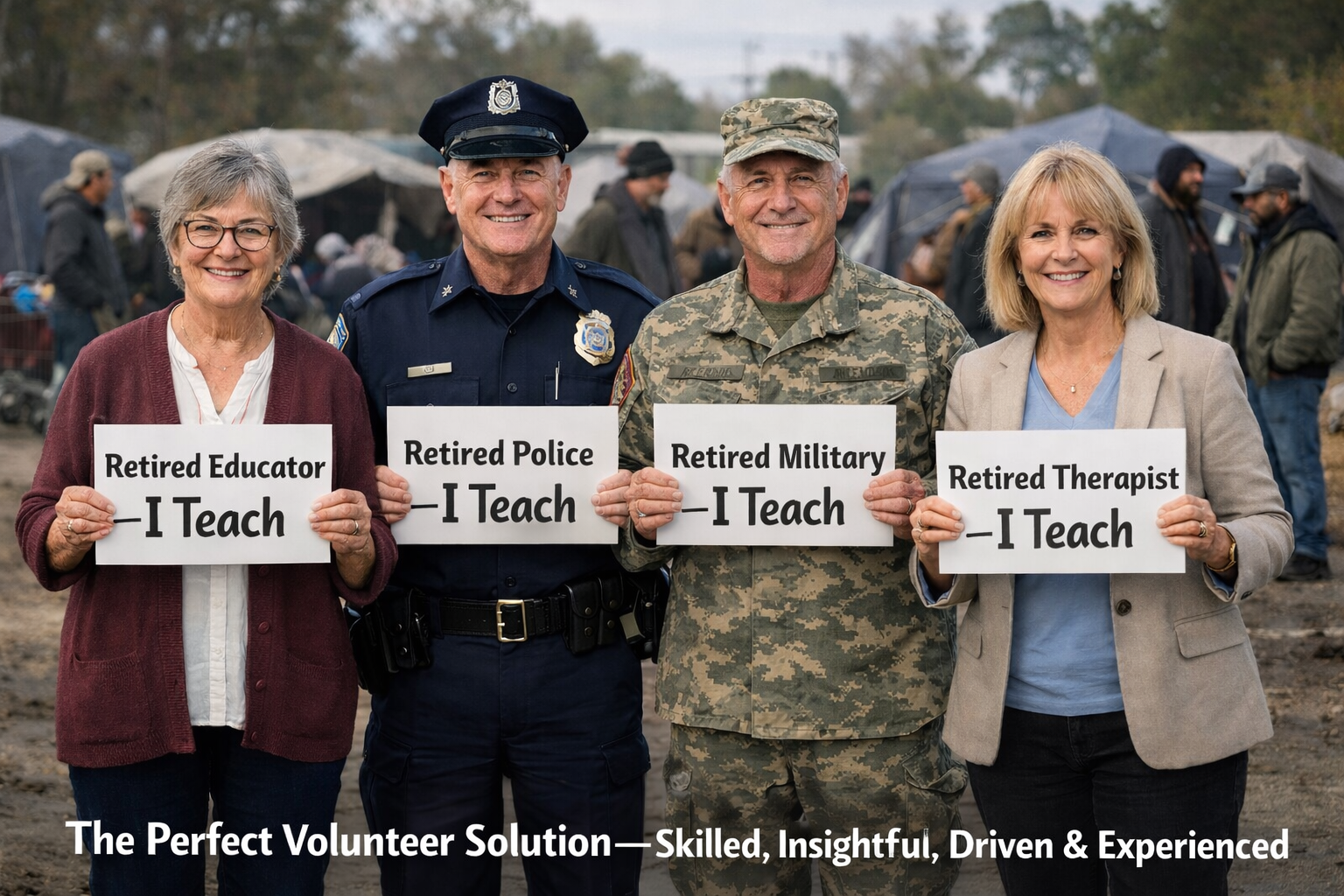
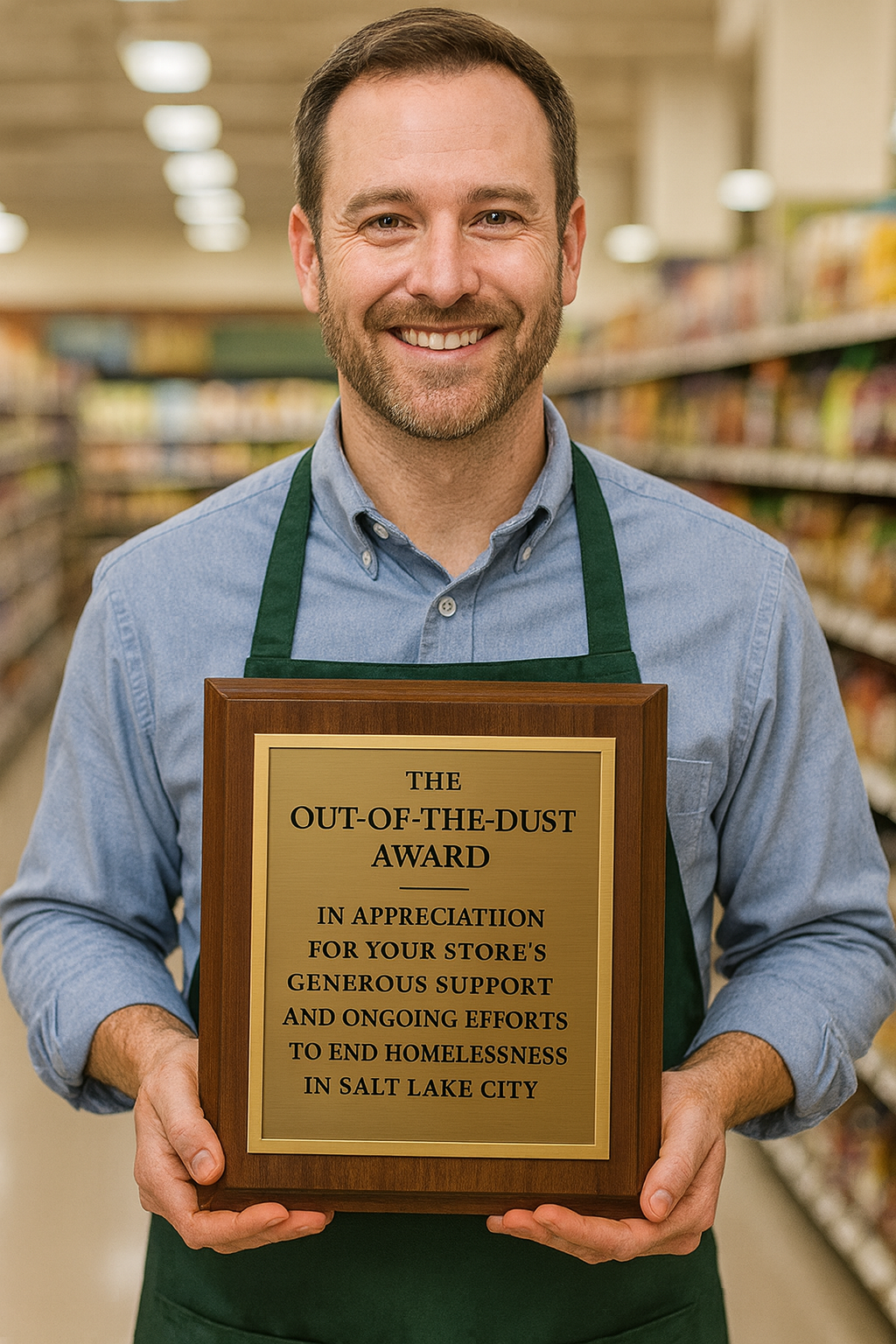
6.       Group facilitators will be trained and not expected to be Master-level certified in any degree.  There are many retired educators, counselors, therapists, police & military that are qualified to serve as facilitators and can bring a unique perspective and skill set to this clientele. They typically understand the inherent risks of public-engagement and know how to respond accordingly.  Many of these same people serve in church & civic callings without licensure.  Let the strong help the weak and utilize free, local, willing talent.  *It is imperative to allow them to use their life-experiences, personalities, and talents to model success and subsequently promote change and have the autonomy to adjust as they see fit.  Strong, talented, committed and consistent facilitators will serve as the bridge between the government and the private sector.  Local businesses can leverage their logo and product line by sponsoring events and giving out free, relevant merchandise.  Local performers can both entertain & inspire these folks by putting on free concerts or workshops, and restaurants can donate free food and get a public spotlight highlighting their service.  Additionally, restaurants or business’ who donate regularly will be given a commendation plaque that highlights their commitment to serving the poor and helping to effect change in the community.  Customers who see such an award prominently displayed will likely patronize them more as a reward for their community solidarity and generosity.  As a result, it’s a win/win/win for everyone.

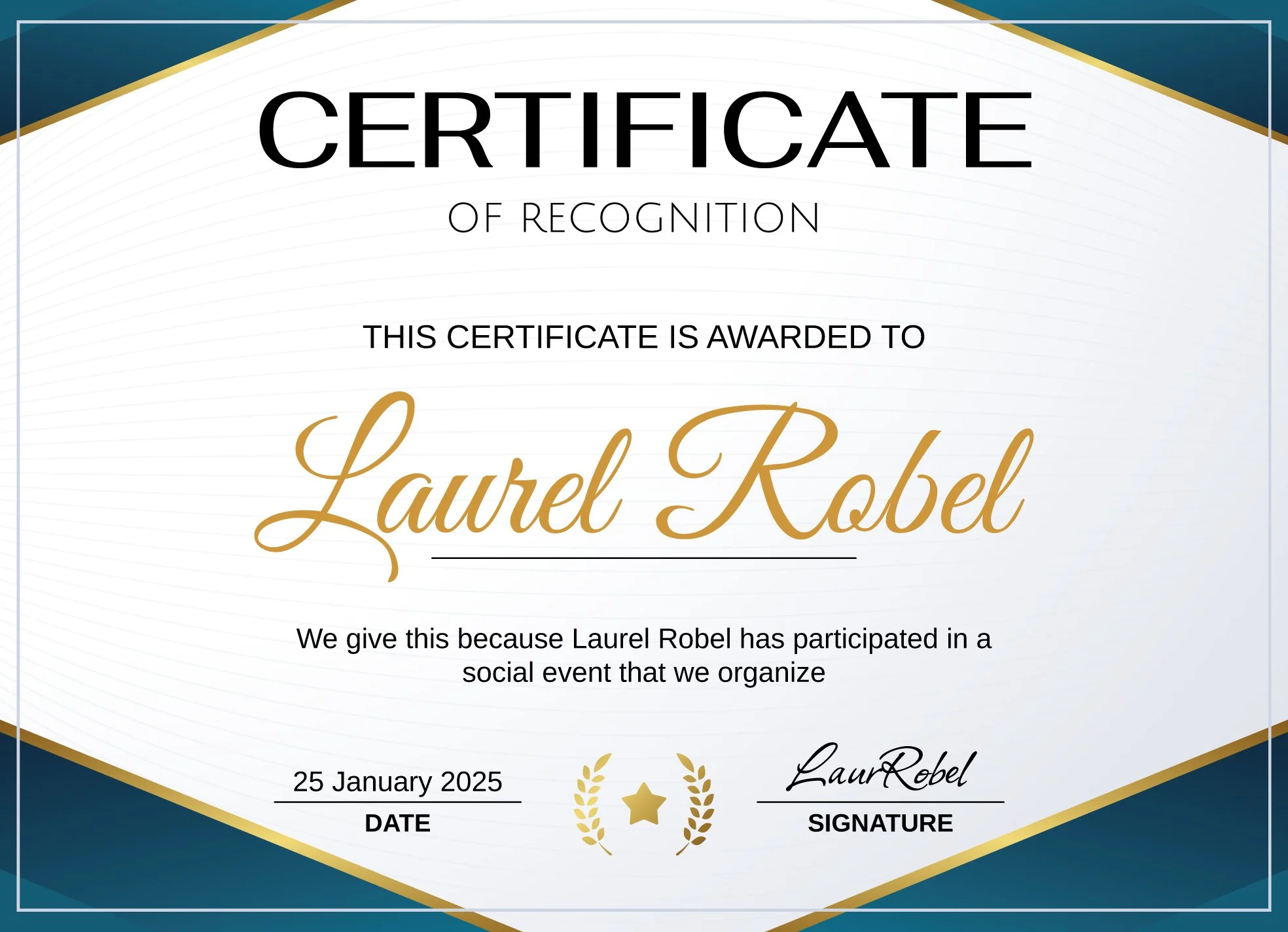
9. Local therapists, counselors, and other professionals would be invited as guest speakers to teach (and demonstrate) particular topics of interest or specialty skills including emotion-regulation and other high interest topics they typically see in their personal practices. A certificate of recognition will be given each participant to include on their office wall for staff and clients to see which then elevates their position as a community-activists towards social change.

10. An “Out of the Dust” podcast or talk-show could be developed to interview homeless people and hear their stories, challenges, goals, and desires going forward (*Note: This is something that I will personally do with the help of a few established friends on the street who can offer insight and leverage their street clout to advance our cause and encourage others to participate.  A $10 gift card from participating sponsors will be given to each participant following the interview and then the audio or video would be uploaded to a Utah.gov website for public consumption.  Site links will be sent to local talk-show hosts and other celebrities to generate discussion and interest.  Donations or endorsements from the Utah Mammoth hockey club and Utah Jazz along with other college endorsements will elevate this campaign immediately.  *Note:  This podcast will focus on rebuilding lives instead of the devastation of their lives that is currently presented online.

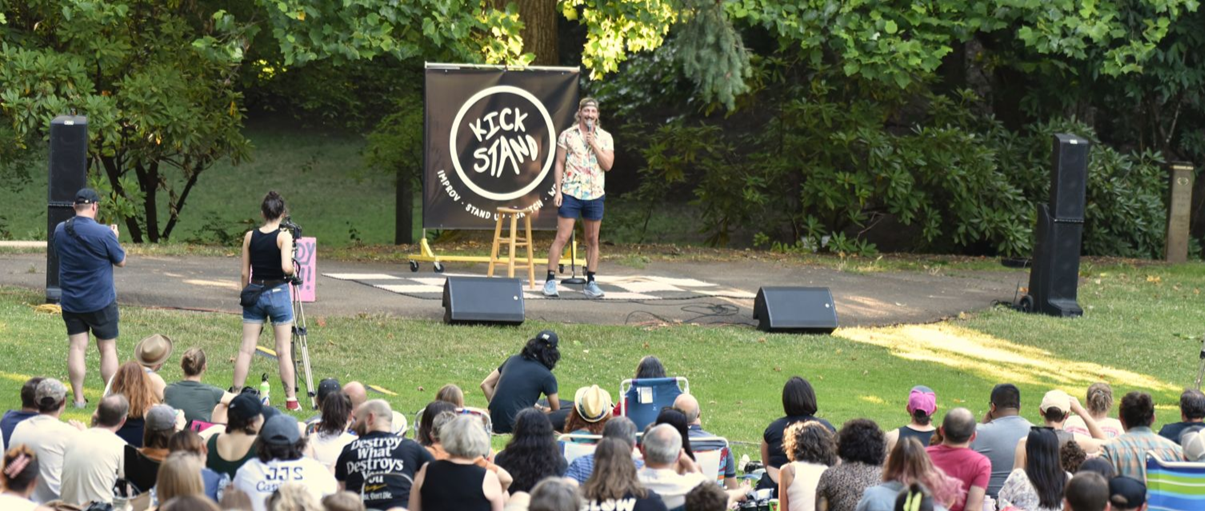
11. Planned public gatherings at various city parks could be developed to create public-awareness and homeless education, along with entertainment and speakers. These events would follow permit requirements.  These monthly offerings could be inserted into the existing summer concert series held throughout the city and during ‘off-months’ when the weather is still permitting. *These will NOT be political rallies (or allowed to become such) nor a "shout down” of public officials or the police, but rather, a gathering place for like-minded people to become educated & entertained.  3-5 homeless people would be invited to speak for 5 minutes on stage and share something unique about themselves and/or their journey going forward. A card with specific prompts would be given to each person in order to keep the event on schedule and focused. This would create solidarity between other homeless people, as well as, an educational experience for everyone else who doesn’t understand the struggles facing them. Youth in particular, would see a side of life they know little about which would help influence their future choices and behaviors. There are currently several charities operating as resource outlets at the various parks such as “Nomad Alliance” (https://www.nomadalliance.org/) and “Showers of Hope” (https://showersofhopeutah.org/ ).  Tethering these monthly events to theirs would elicit greater participation. 

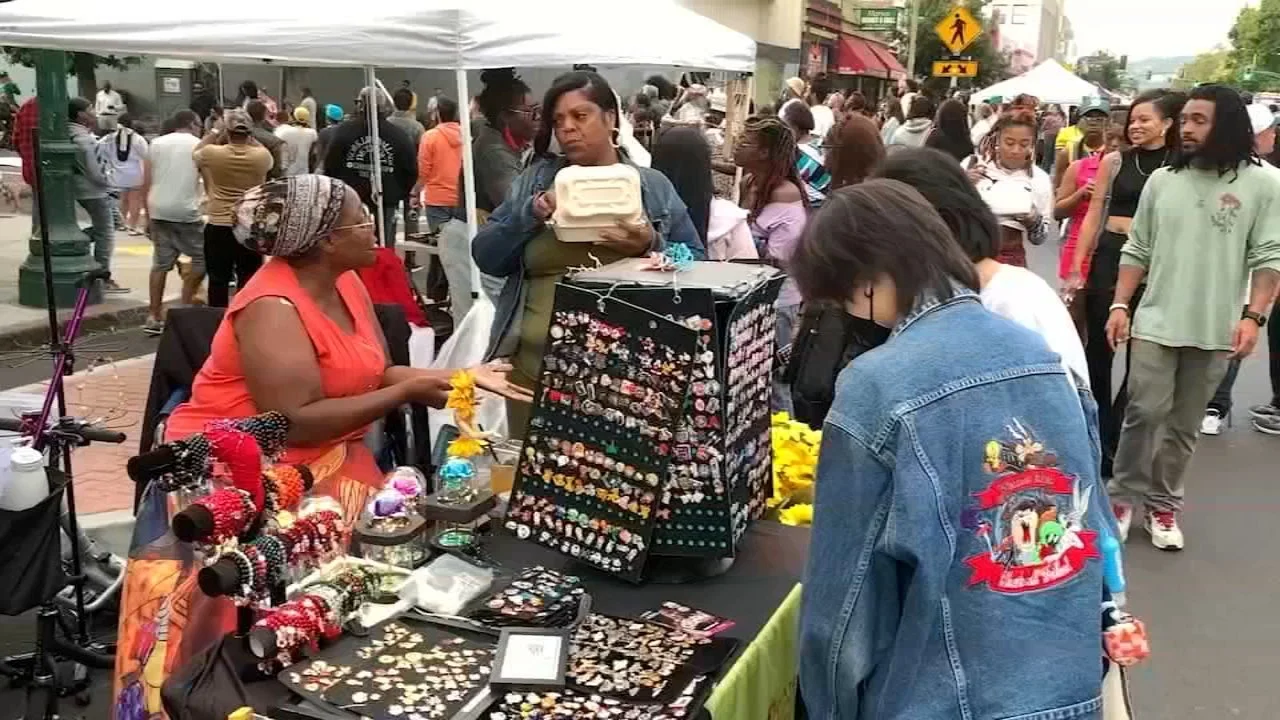
In conjunction with these events, free booths could be set up for the homeless to sell their homemade wares (jewelry, art, etc.) to earn money. Such profitable, recurring events would allow vendors to develop entrepreneurial skills and create a particular market for their unique products. Background music could be provided by local DJ’s or bands (who also want to advance their name/product recognition) and food trucks would be asked to donate 10% of their proceeds to purchasing needed supplies for shelters that are not typically provided--*see items list on Donation page.   (*Note: There are some very funny, talented & educated people living on the streets that would appreciate a chance to perform and get their "15 minutes of fame" on stage and create a name for themselves. These stage-shows could be recorded and also uploaded to the Utah.gov YouTube channel highlighting the steps Utah is taking to recognize, revolutionize, and respond to homelessness in unique, interactive, educational, and solution-based ways. It would be a one of a kind in the nation.

12. Brief surveys could be circulated at these events to see what topics of interest/questions/concerns etc. exist with the public, as well as, the homeless in particular, and that information would be gathered as part of a longitudinal study conducted by a student from the University of Utah or Salt Lake Community College. *Note: Because the homeless population is transient and always changing, themes and patterns should be the focus of a qualitative study and anecdotal experiences and comments could be included. Lastly, having city officials such the mayor, police chief, and the governor’s office participate in brief unannounced visits and holding short Q&A sessions would build trust and support because they would been seen as willing participants to proactively engage the community who don’t vote and don’t feel like they have a voice to begin with because of their circumstances. News outlets could conduct brief man-on-the-street interviews afterwards to highlight positive moments and shift public opinion. Free Utah-themed “Out of the Dust” merchandise could be given out as an advertisement for future events. For example, water thermoses printed with the dates and locations of monthly homeless events would serve as free advertising and a reminder for where vendors can make their next paycheck.

Since homelessness is a social problem that affects 6-stake holders, then all 6 stake-holders need to be involved to fix this problem and that must happen in engaging & socially uplifting ways that brings everyone to the table.