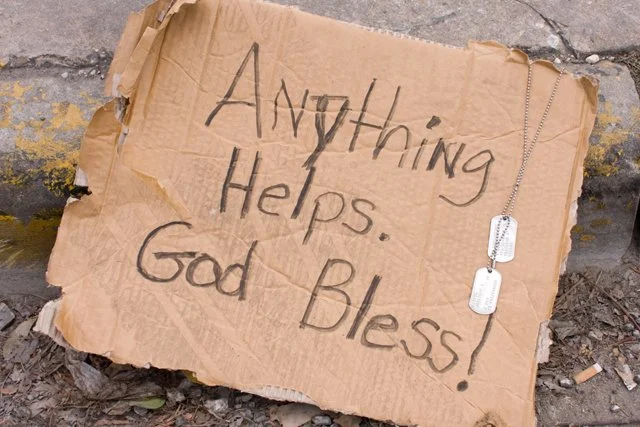
Many people want to help the homeless but don’t know how other than to give food, clothing, or a few dollars on occasion. Here are several things that might be helpful:
Questions & Answers
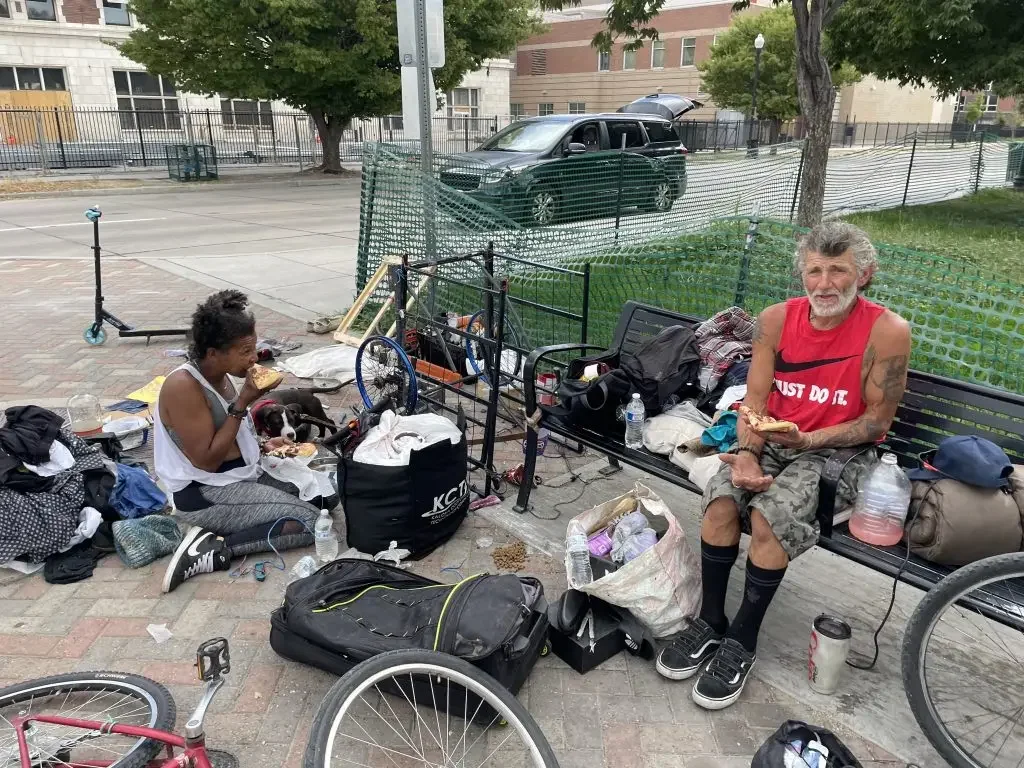
Q: What causes homelessness? Is it because of life circumstances outside of their control, bad luck, or poor choices & bad behaviors?
A: Homelessness is caused by all of the above and often several things simultaneously— mental health struggles (which includes lack of medication and proper therapy), drug or alcohol addiction, and poor life choices. It can also be caused by circumstances thrust upon them (i.e. losing a job, divorce, family estrangement, loss of health, high medical bills, lack of positive role models, cultural failings, generational homelessness, incarceration, attachment-disorders, poor coping skills, gang life, lack of education, and various barriers to housing and employment. These and other factors are why so many live on the street. *Salt Lake currently has about 5,000 people living on the streets–-some as long as 26 years!
Q: If homelessness doesn’t affect me or my family directly, then why should I care and get involved?
A: Homelessness impacts the public in ways that most don’t realize. Tax increases to fund homeless programs including hiring more police to deal with it affects your discretionary spending. Additionally, increasing crime (drug dealing, prostitution, gangs, trafficking, robbery, and vandalism) occur at higher levels which then affects insurance rates, having dirtier streets, unsafe neighborhoods, and parks. Home values and rental properties are also affected. Everyone loses with this problem.
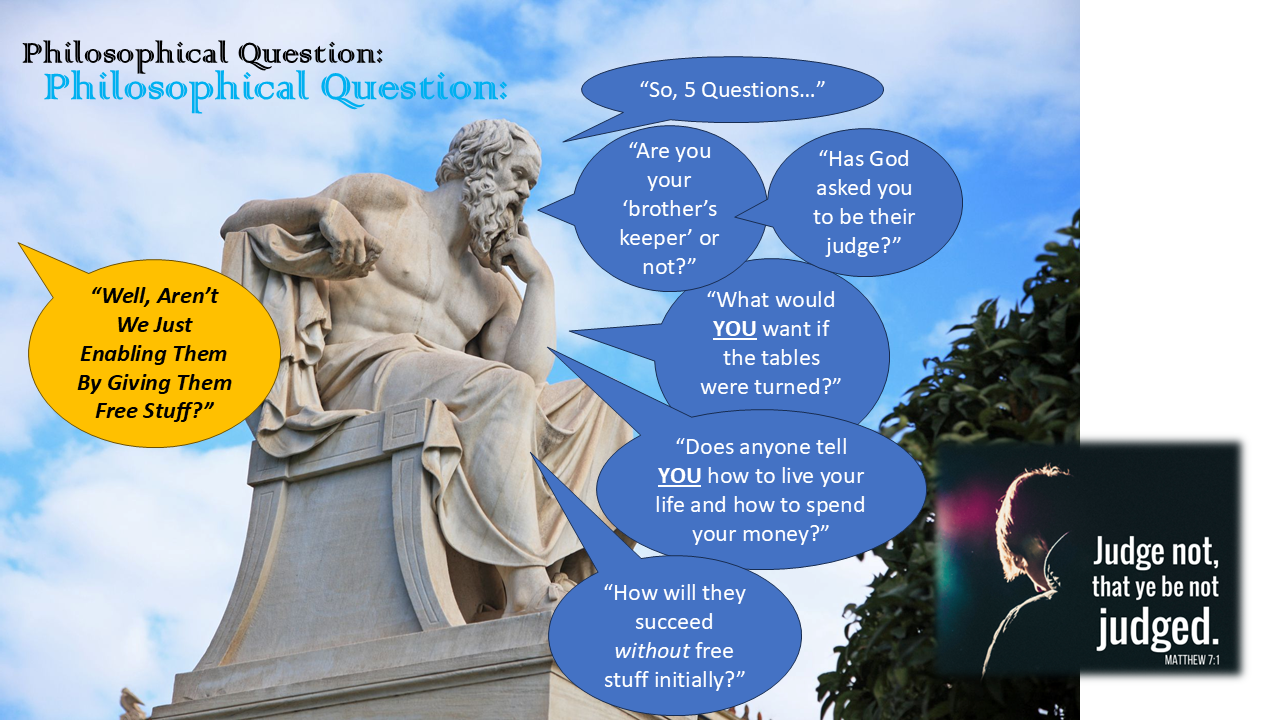
Q: Why should I give my hard-earned money to people who don’t have any direction or drive in life? Isn’t that just enabling them
Q: What are their biggest needs besides housing and food? Don’t shelters give them a place to sleep, free meals, and clothing?
A: Yes & No. Shelters only have so much space and it is usually based on a first-come/first-served basis or a lottery system. If your number isn’t called, then you are sleeping outside wherever you can find. They need lots of things–-showers, laundry facilities, toilets, and working drinking fountains (especially during the hot summer months). They also need education and something to spark their creativity and develop existing talent, along with adequate health care (medication & therapy for those who need it) which is currently unavailable because of the risk of abuse or being trafficked on the street.
Q: Will putting them in some form of public or private housing program solve the problem?
A: Yes & No. Merely putting people in a housing unit without necessary life-skills and changed thinking often backfires and gets them exited from their housing and back on to the streets again.
Q: Why can’t city leaders just force them into a rehab facility where they can get the addiction-recovery skills they need along with wrap-around services?
A: Government leaders can’t “force” anyone to seek change in their lives–that is something that has to come from within and not from an outside entity. This would also be a breach of civil rights. Also, unless change is actively sought, many will rebel against the 12-step programs that have failed them before.
Q: Why doesn’t Salt Lake just build a big facility and put them all there?
A: They are planning on building one this year (see https://www.deseret.com/politics/2025/10/29/utah-governor-says-homeless-campus-is-most-compassionate-approach-not-like-nazi-concentration-camp/alsohttps://www.ksl.com/article/51383386/homeless-facility-proposal-near-north-salt-lake-sparks-opposition-public-safety-concerns )
There are several pros & cons that need to be considered–*see https://prospluscons.com/pros-and-cons-of-housing-first/
See the following articles:
https://www.deseret.com/opinion/2025/08/11/fixing-chronic-homelessness-fragmentation-services
https://www.currentaffairs.org/news/youre-not-angry-enough-about-homelessness-in-america
*Note: According to state officials, Salt Lake hopes to model their upcoming facility after the highly successful facility in San Antonio, Texas called “Haven For Hope” (https://www.havenforhope.org/)
Q: Is drug addiction or mental health the bigger problem?
A: Answering that question is like asking the proverbial question, “which came first, the chicken or the egg?” In the end it doesn’t matter because both are intertwined and reinforcing. Any addiction can create mental health problems such as anxiety, depression, guilt, shame, fear of exposure, or the “imposter-syndrome,” etc. Because the homeless are often not able to get prescription medication, they turn to their cheapest, dopamine-triggering street-solution (which is always dangerous because of the ingredients that are being “cut” with it by dealers such as carpet powder, lithium-ion batteries, mascara, coffee grounds, powdered milk, etc.). Overdoses are common and coming off of a “high” can be severe and very depressing which then triggers a low mood and cravings to find more drugs to offset those feelings–it’s a painful, never-ending cycle.
Q: Why does there seem to be an influx of homeless people coming to Utah?
A: The answer is 4-fold: 1) Utah tends to have more resources available 2) is more affluent and safer 3) more generous because of high religiosity rates and 4) Federal agencies and neighboring states are shipping them in. Some also get stuck here on their way to other states.
Q: What resources do they need? *Click here
Q: Do all homeless people want to get off the streets or are some content living the way they are?
A: I have asked that question a number of times during my interviews and the general consensus seems to be “about 30% don’t want to change and are content living the way they do. The other 70% want to change but don’t know how because the ‘system’ is rigged against us.” When asked about the “system,” responses include: being kicked out of their apartments on trumped up charges by slumlords who collect subsidized rent and then turn around and rent that same apartment to another person at a higher rate while continuing to collect the check from the state for the original renter; ongoing citations for camping, loitering, and subsequent arrest warrants for not showing up to court to pay their fines because they don’t have the money to do so. If arrested for camping or loitering, they are usually let out after several days and charges against them are dropped. In the meantime, their belongings have either been stolen, thrown away by city crews, or hauled to a police storage unit across town which requires substantial effort to retrieve them. They are constantly being told by police to pack up and move to another location. Additionally, there are limited public restrooms available that include 2 porta-potties at St. Vincent’s which are locked up at night to avoid drug use or prostitution. There is only 1 drinking fountain at Pioneer Park that people travel to in order to fill up their water bottles. Convenience stores do not generally give out free water. Also, some shopkeepers call the police to have them removed from their storefronts so that ‘paying customers’ are not bothered by them. Local residents do the same to force them to move on.
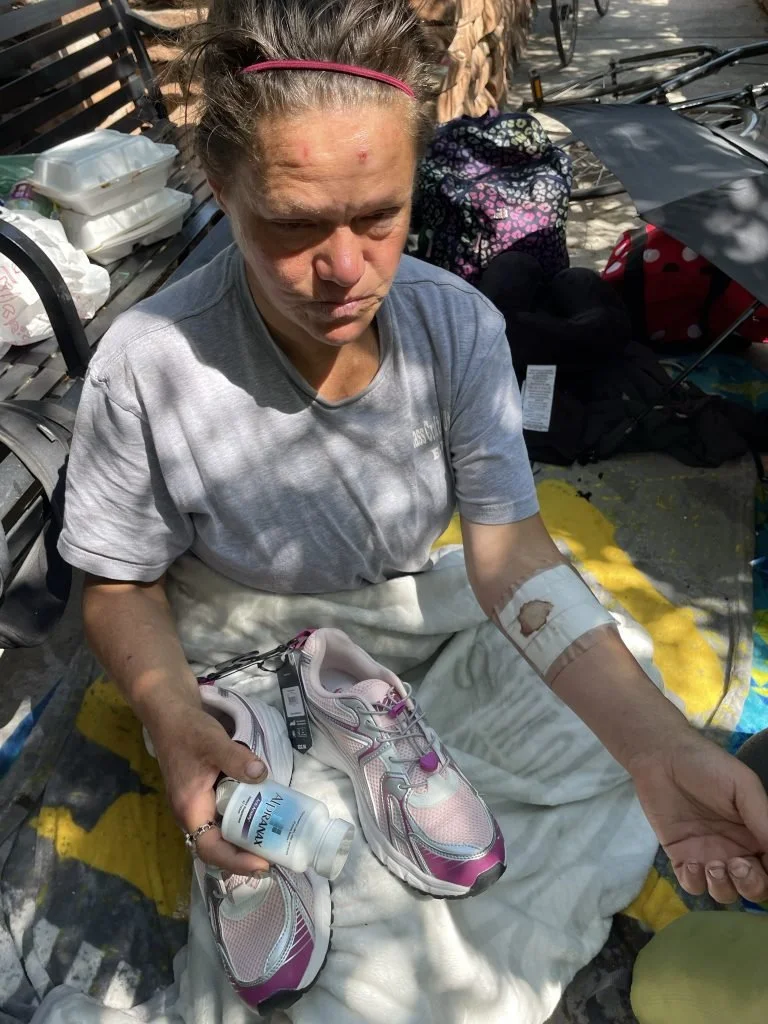
Q: What happens if they get sick or hurt on the streets?
A: An ambulance will typically come if someone calls 911 and then takes them to the nearest hospital for a brief evaluation. If the injuries are not life-threatening, they are released back on to the streets within hours with minimal medication. Hospitals do the minimum required by law to treat individuals.
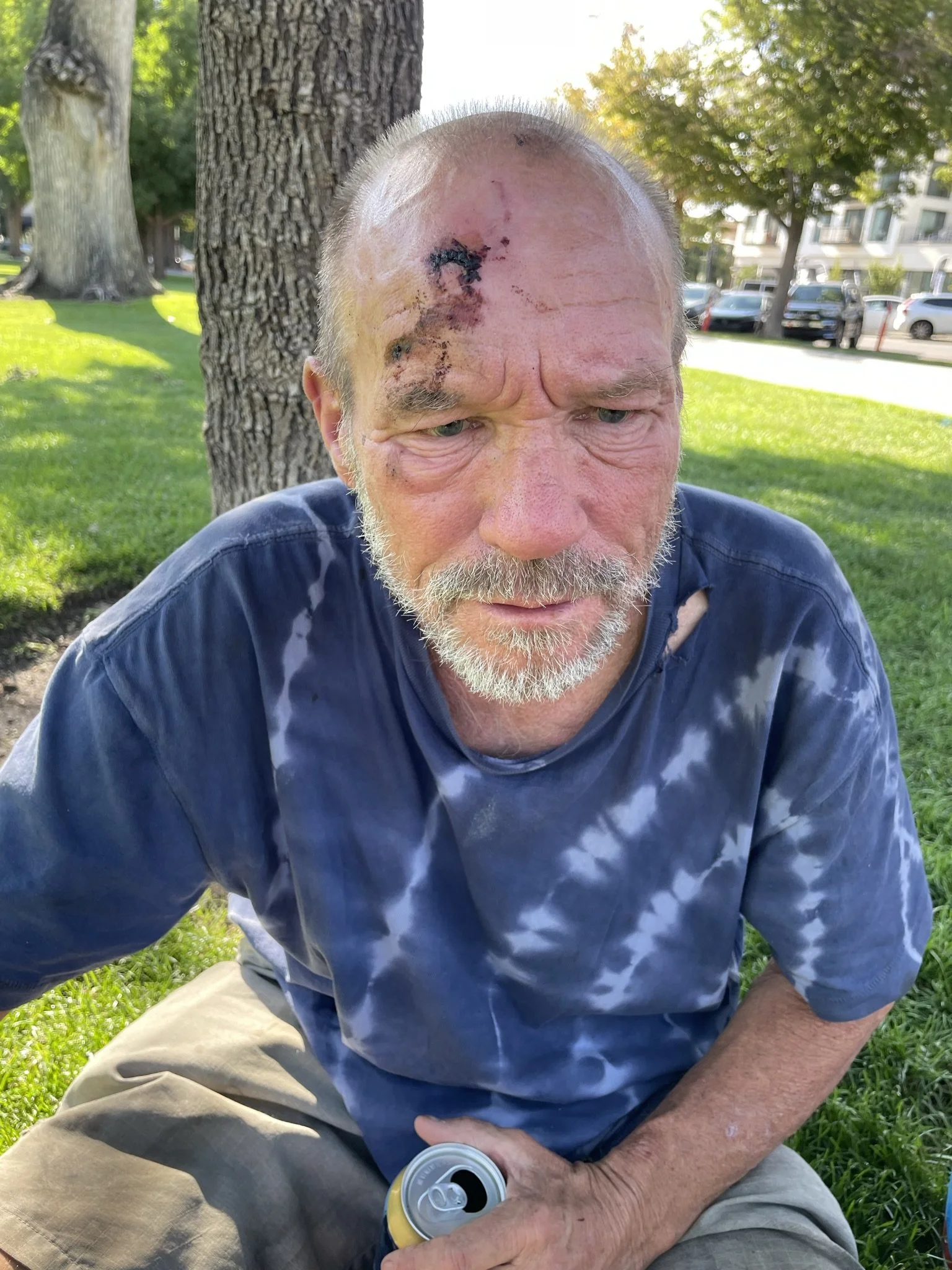
Q: How do they defend themselves on the street?
A: Many come from a prison background already knowing how to fight, while others have to learn how to fend off attackers however they can. Many carry knives for safety but any weapons found by police during random searches are immediately confiscated. The safest way to protect oneself is to create alliances and work together for protection.
Q: What Are Some Ways My Family and I Can Get Involved?
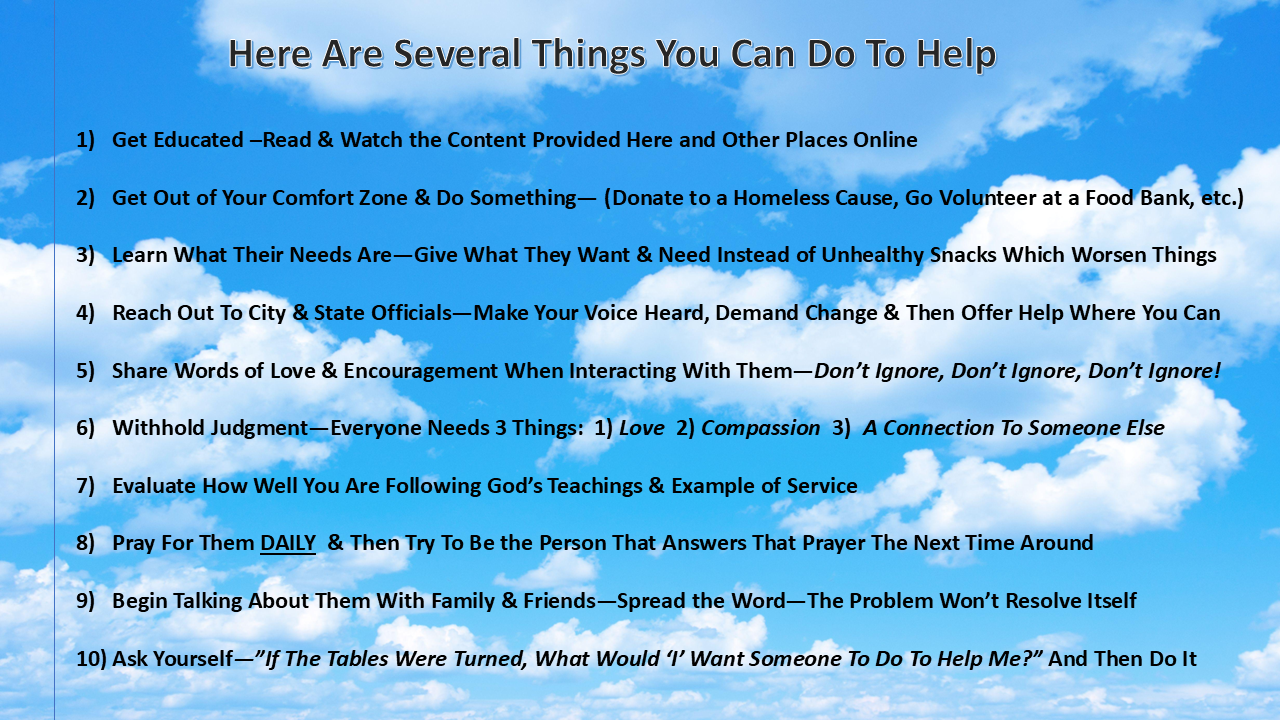
*There are many ways to get your family, friends, colleagues, and church groups involved (*click here).
See the donation list and go practice the Golden Rule. All that is necessary for the triumph of evil—and continued suffering—is that good men do nothing—Please do something.