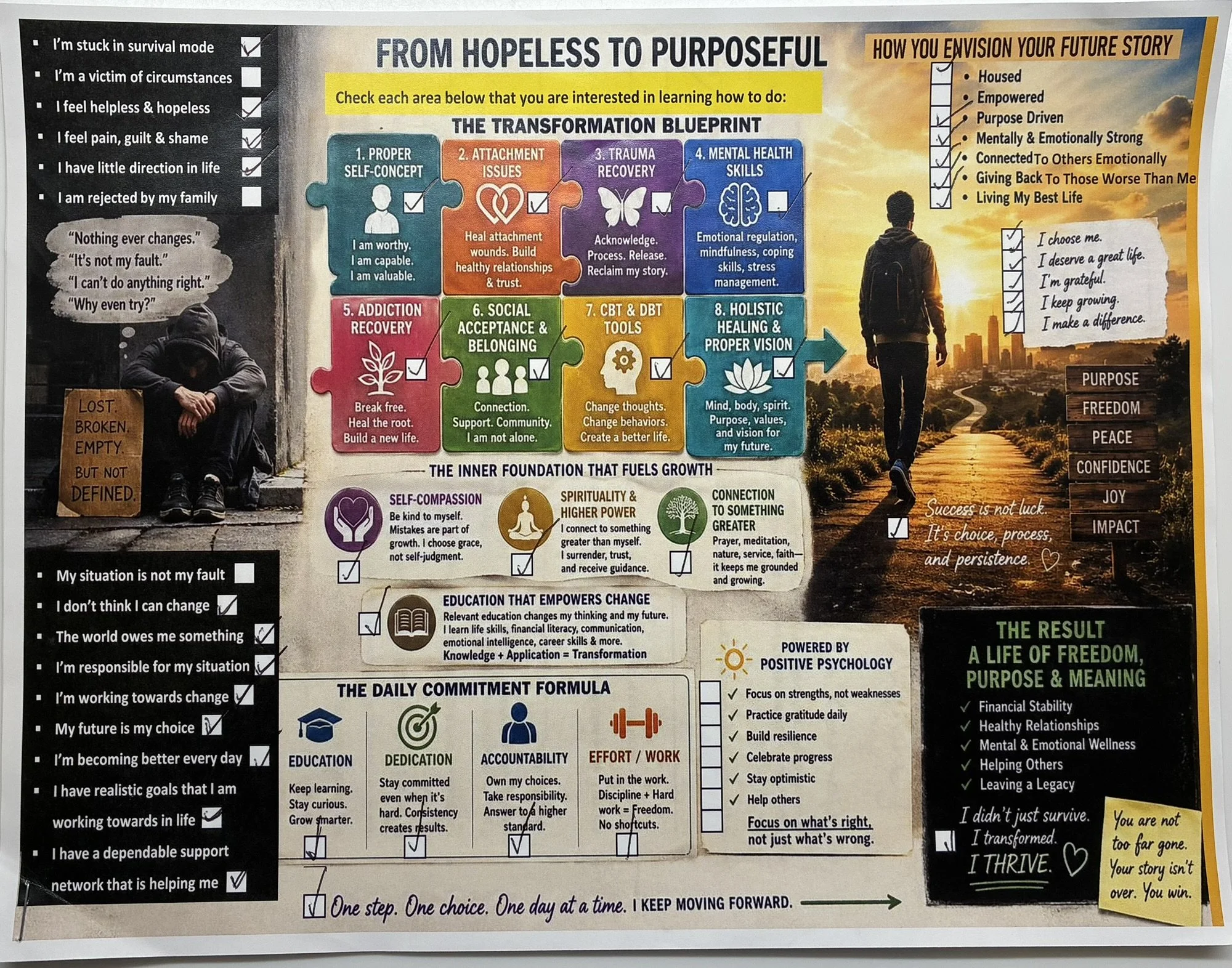
Lesson Plan

Insightful
Creative
Full of Variety
Safe & Open For the Exchange of Ideas
Simple
Relevant
Applicable
Memorable
Transferable
Engaging
Make the instruction:
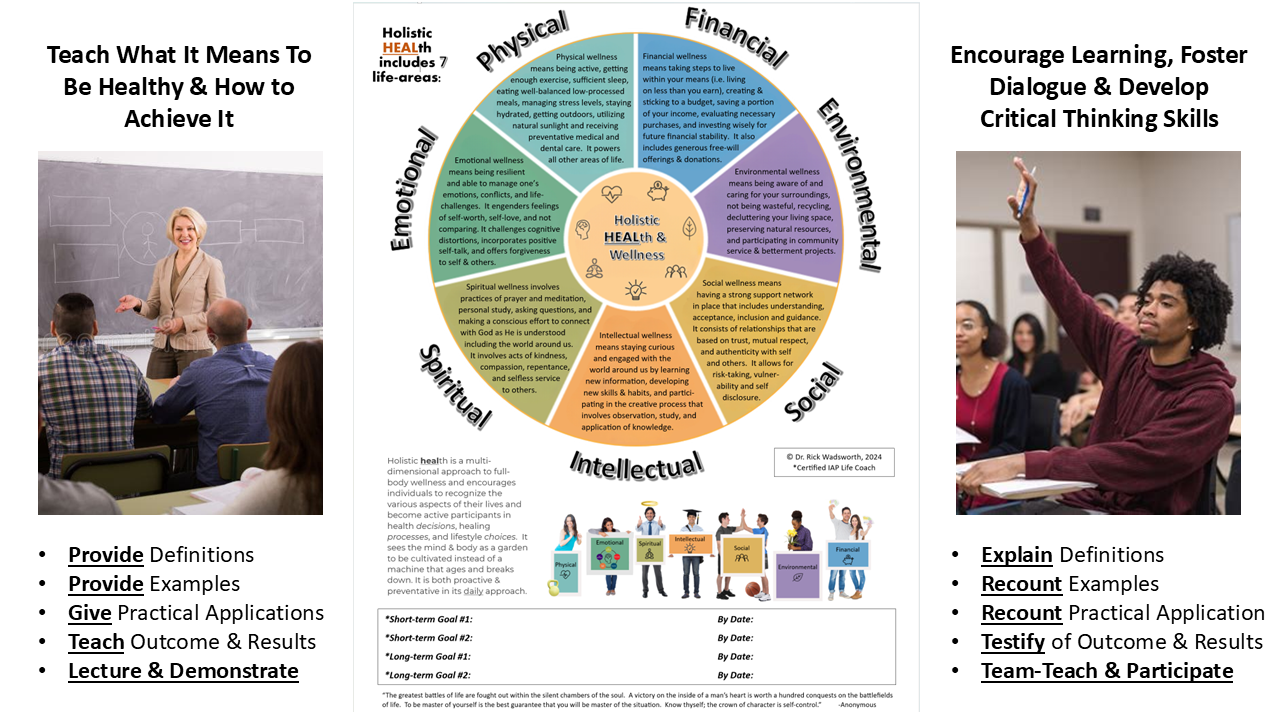
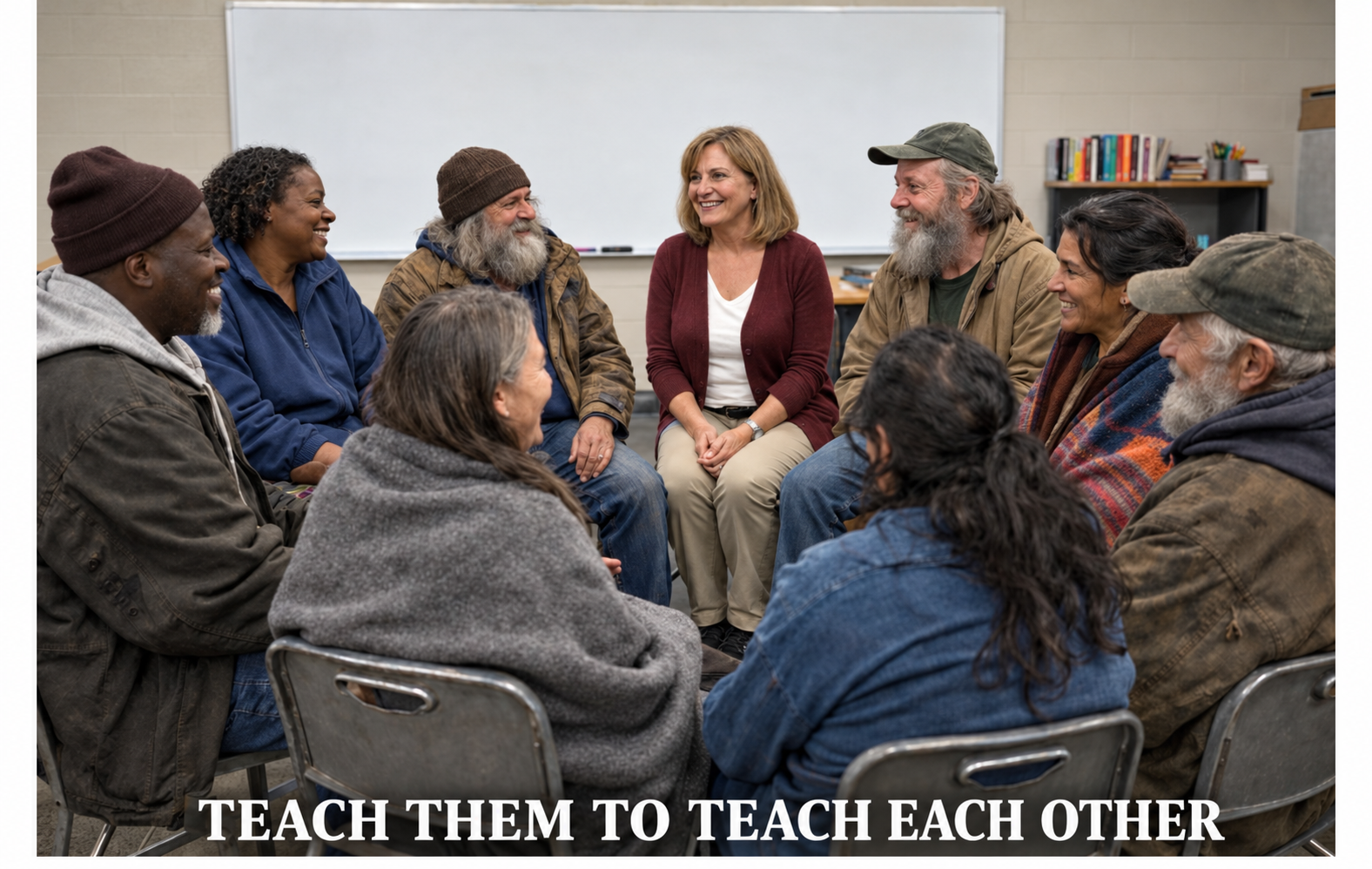
Classes run 90 minutes, three days a week. Each session teaches across seven life areas—physical, emotional, spiritual, intellectual, social, environmental & financial—and uses short videos and peer discussion, and ends with each participant choosing small behaviors to practice. Participants also learn to teach one another.
*Preparation:
Have whiteboard, dry-erase markers, large screen TV and/or projector, notebooks, pencils, loaner-Ipads, and printed “Daily Accountability Check-off Sheet” cued up & ready for use. *Note: use pencils only, for safety purposes



*Have Snacks—Sour Candy/Gum, Jolly Ranchers & Electrolyte Water Available (*things that wake up the senses)

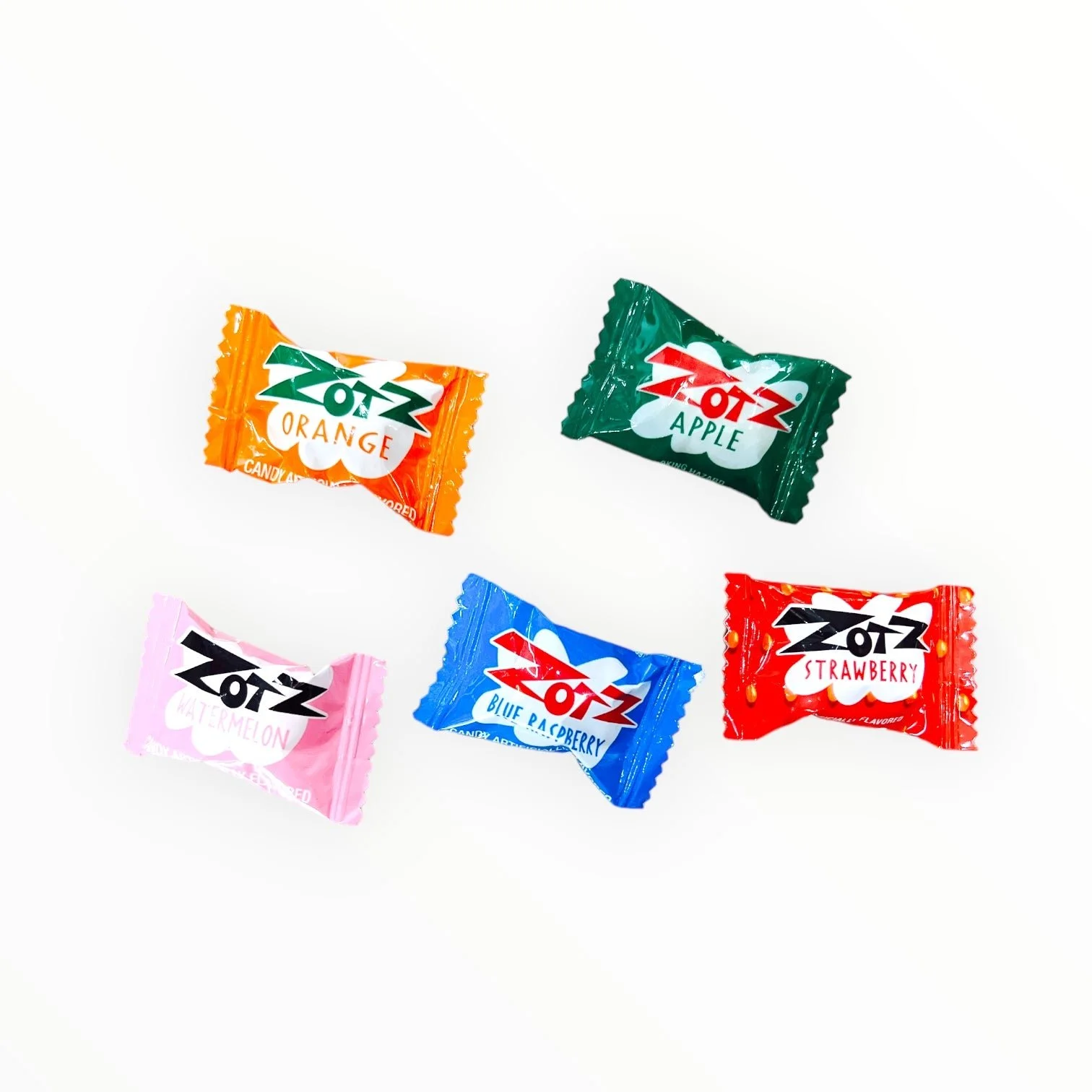


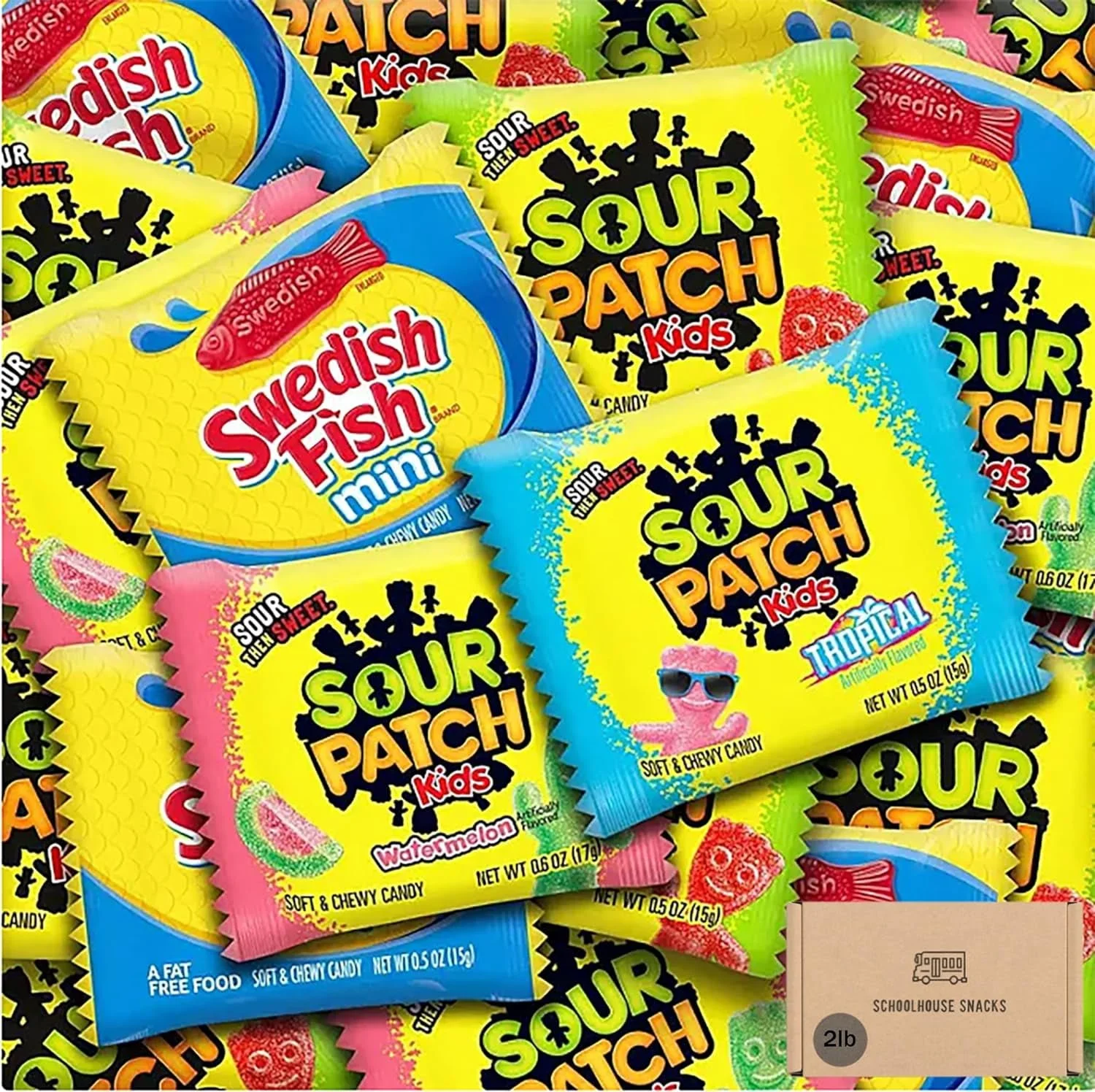
*Have music playing and welcome each person and offer them a piece of sour candy.
Begin with 2 of these:




Brief Intro & Overview
Intentions, goals, expectations & invitations to participate and bring friends to future classes
Explain the value of holistic living & what that entails with 7 potential behaviors
Explain that brief lectures, YouTube videos, TED Talks and other resources will be used for instruction (*click on links to see sample content):
Therapy & Life Hacks



Interesting & Educational



Explain that three, 20-minute classes will constitute a full day of instruction with 5-minute processing group discussions after each topic covered.
One 5-minute snack break will happen after the first 2 classes are taught
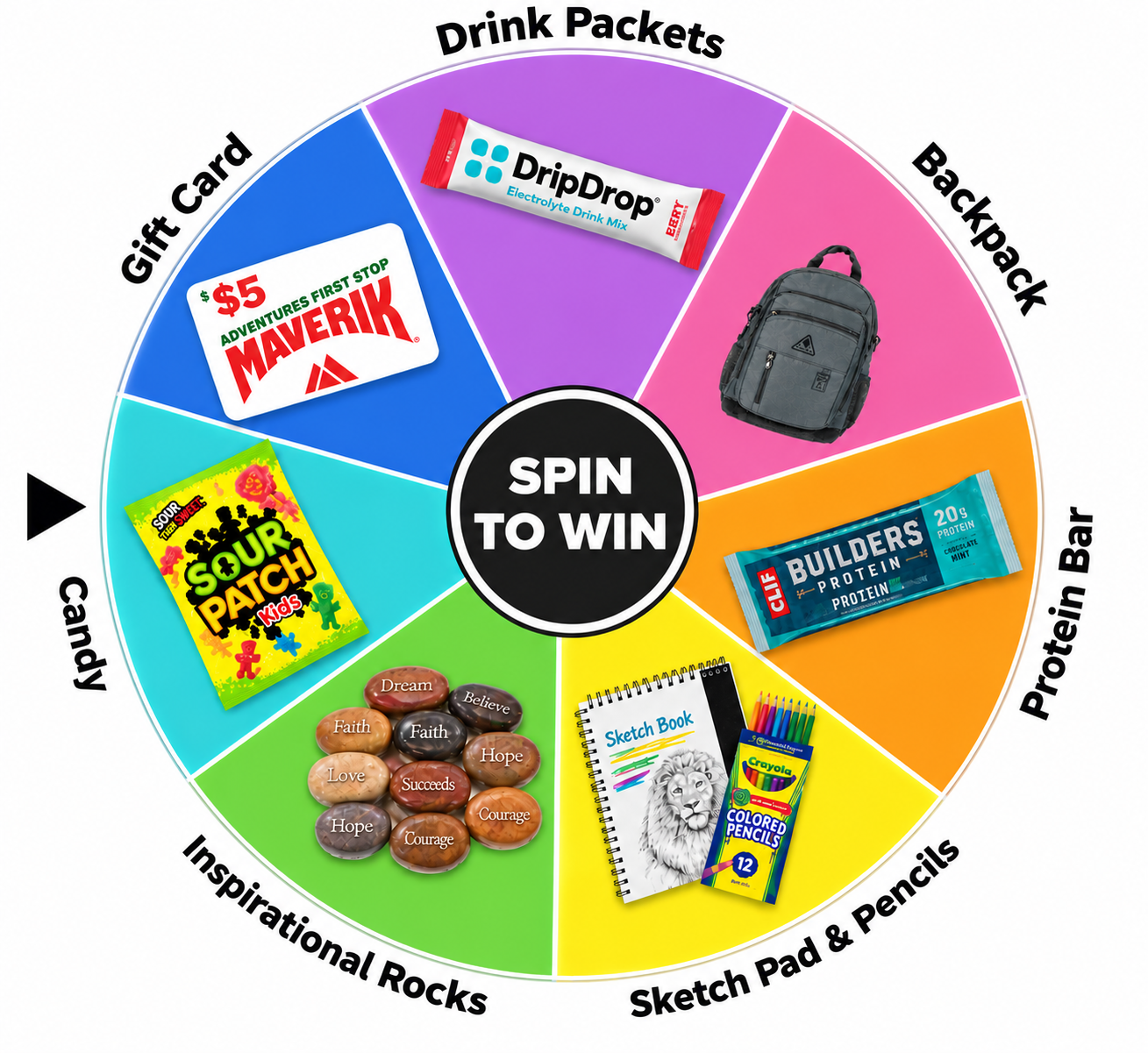
Trivia questions can be used for intermittent arousal or “Wheel Decide Raffles” (*click links to see sample content):


Final 20-Minute Class:
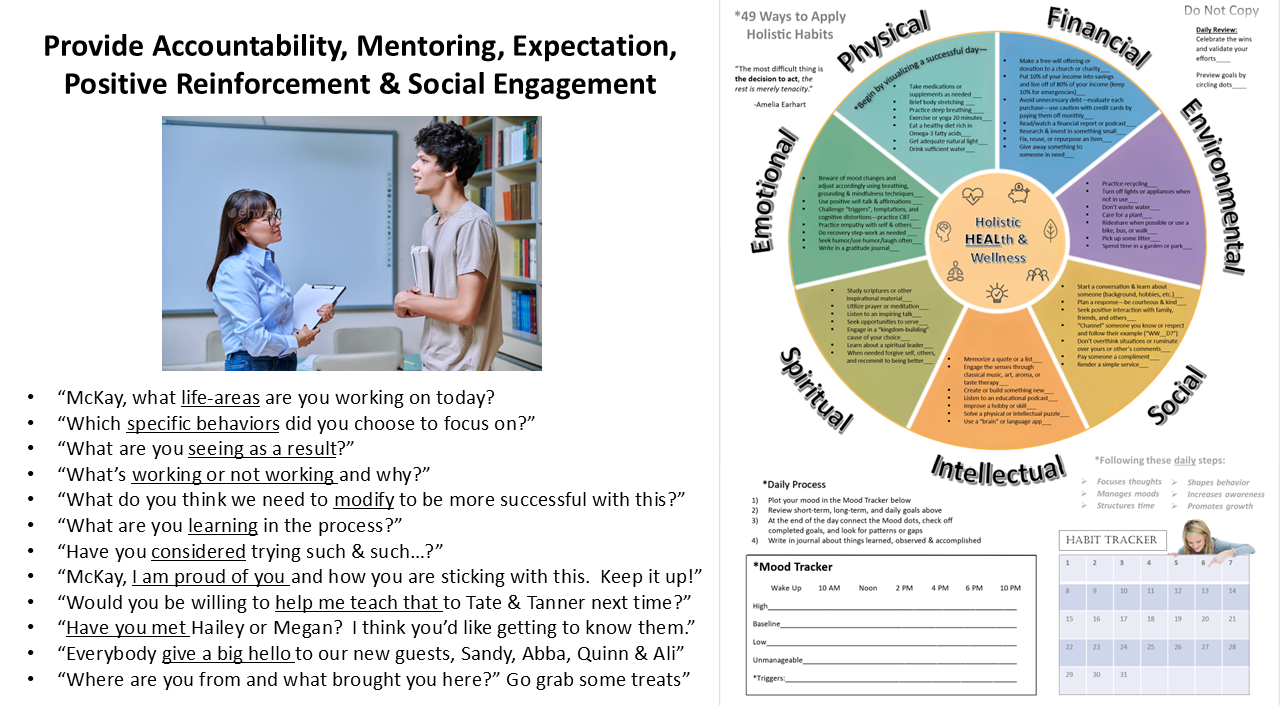
Processing —Discuss what was learned, liked & recommended for future classes. Answer any questions. Ask each participant to choose 2 life-areas and 2 corresponding behaviors under each area that they will practice before the next class.
Journal—2 Minutes for participants to write down thoughts, feelings, insights, or “to-do” items (play soft music in the background)

Reminder: Ask participants to bring their notebook & Daily Accountability checkoff sheet to next class
Begin Next Class With A “Return & Report”—
Ask for volunteers to share what life-areas & behaviors they focused on and then Process Findings, Insights, Challenges, etc.

*Note: Teach subsequent lessons with a different life-area and focus. Rotate through important content every 30 days as new people arrive. Utilize “team-teaching” with participants to build their confidence and group rapport. Ask for volunteers ahead of time and give them a simple assignment to follow up on (write their name and assignment in a notebook and have small reward waiting as they follow up).
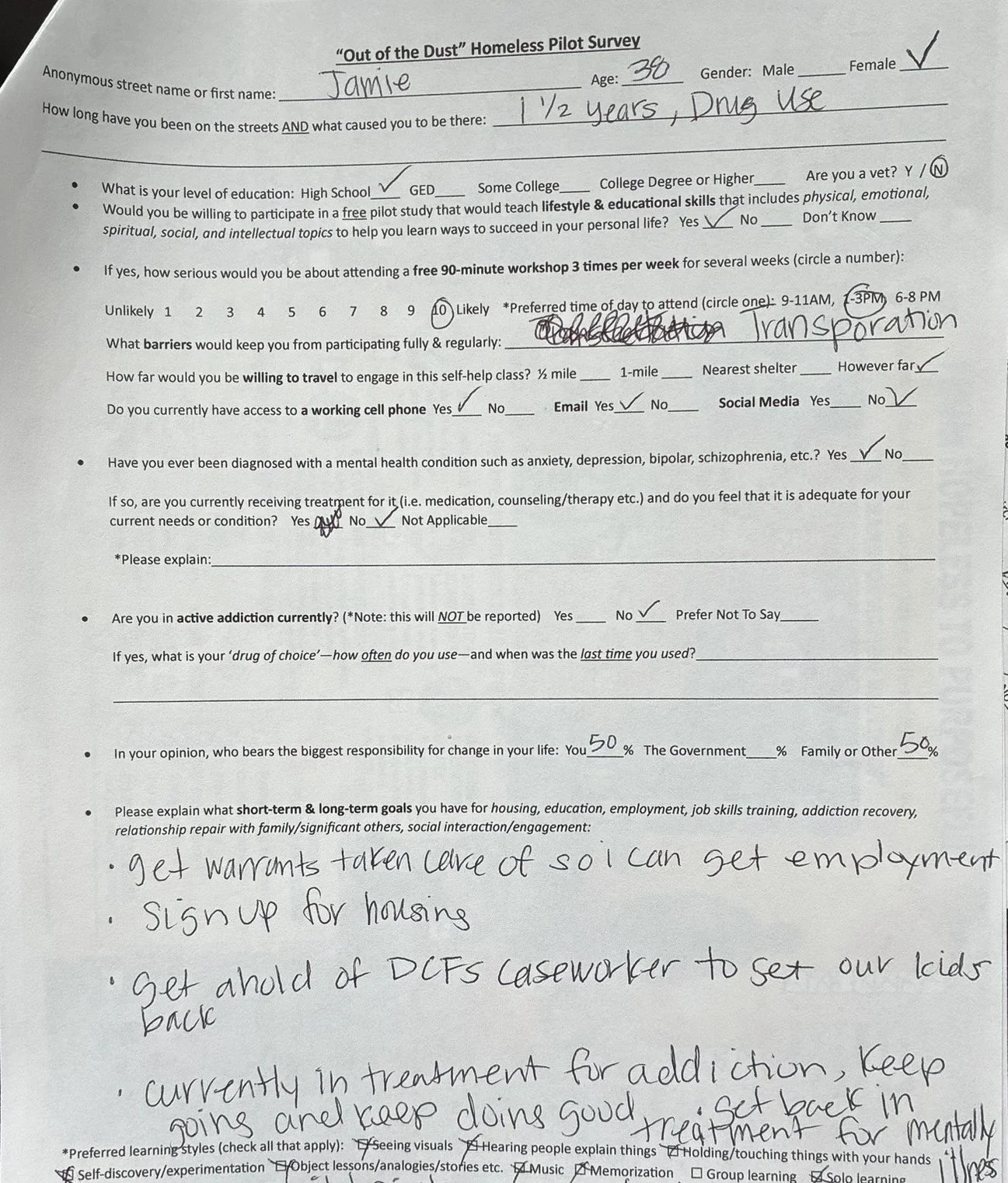
Here’s an actual survey illustrating what their learning needs are: