Who We Are
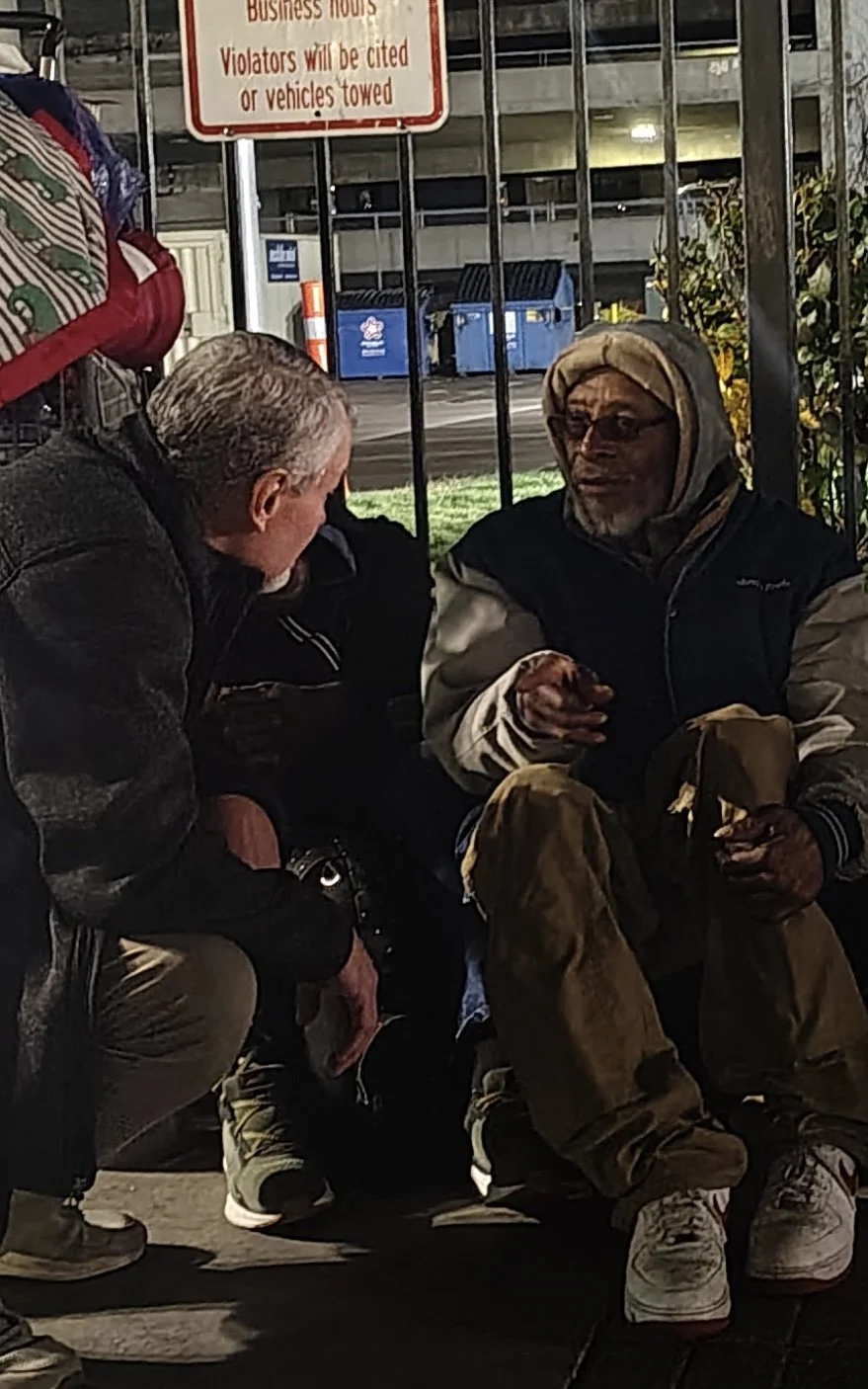
Different from other outreaches, “Out of the Dust” focuses on interviewing the homeless in order to gain perspective into the underbelly of society—why they are homeless—why many are addicted—and why the problem never seems to go away but only getting worse. These people have no voice nor place at the public-table and it is my desire—along with a few other voices in the valley—to tell their story and bring awareness to their plight so it can be addressed. This site offers partial solutions from an educational point of view.
Four cogs must be moving simultaneously to get the engine of change moving: 1) teach holistic life skills 2) teach 12-step recovery principles 3) utilize strength-based counseling and 4) maximize wrap-around services that includes housing, food, medication, counseling, job skills & placement.
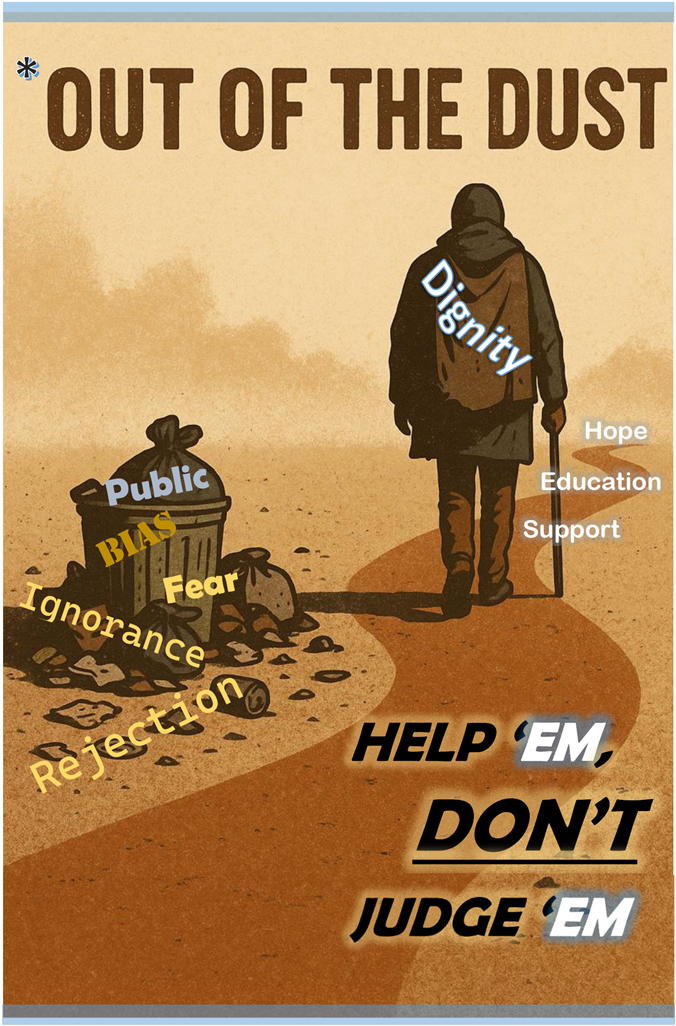
Most homeless are seen as dirty, crazy, or lazy that won’t change but will remain a perpetual drain on society. That is true for about 30% who likely won’t make the effort to change their thinking or behaviors. However, even though many struggle with addiction, most are not crazy—and for those who do struggle with mental health issues—they typically come from a background of loss, pain, trauma, and abuse and don’t know how to manage their difficult emotions. *Also, many land on the streets because of bad luck, job loss, divorce, high medical bills, bankruptcy, recent release from prison, or simply unable to pay their bills and mortgage and not because of poor choices or bad behaviors.
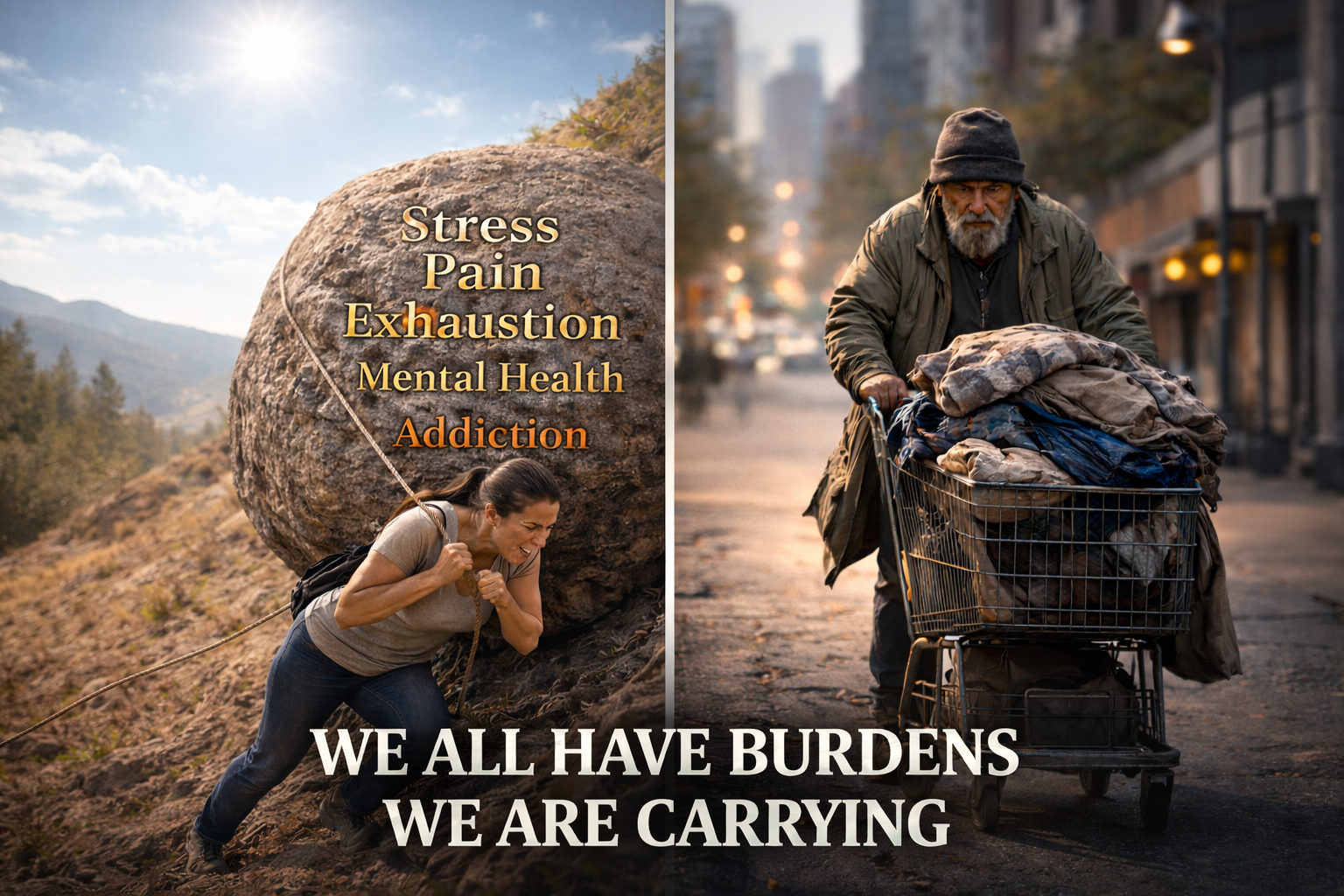
We all have burdens to carry and some are heavier than others. For the homeless, they seem to be carrying the heaviest burden of all because of: 1) constant rejection by the public, policy makers, and family members 2) constantly being hounded by the police to move and barred from many storefronts 3) are subject to random searches by the police 4) experience derision and judgment from the public and feel alienated from any dependable support network 5) and experience constant threats of physical, emotional, or sexual abuse. Their world is full of fear, darkness and unknown variables such as inclement weather and unfamiliar faces they don’t trust. They are constantly calculating where their next meal, shower, piece of clothing, toilet access, drink of water, and dry place to sleep will be.
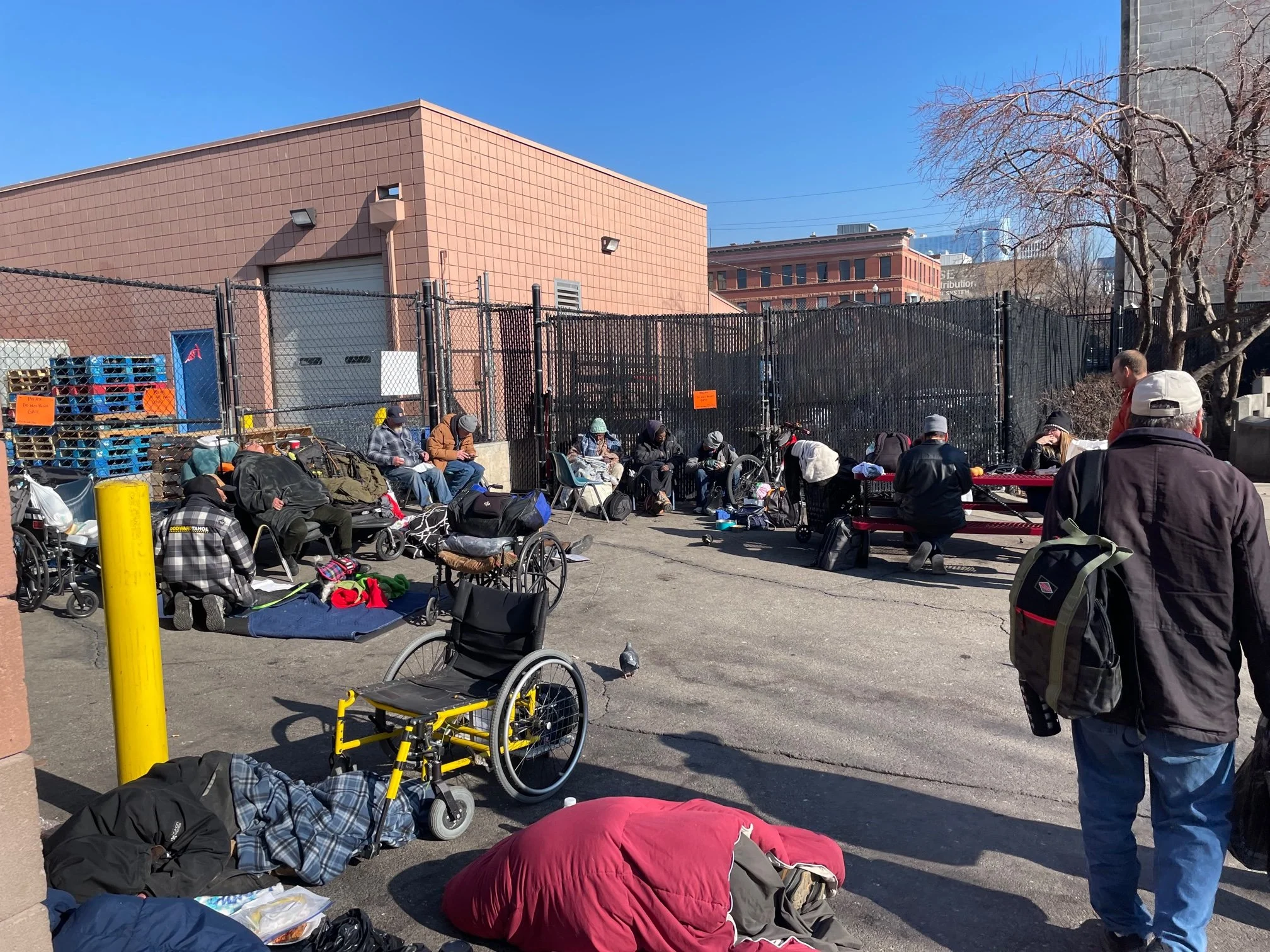
Additionally, their meager belongings are often stolen by others who seize the opportunity when fatigue overwhelms them and they simply cannot stay awake to guard them—or worse yet—having their ‘junk’ thrown away by public cleaning crews or confiscated by the police. They are reduced to sleeping on a cold, hard, wet, frozen ground without a tent (because they will be fined for camping if they set one up)—and then surrounded by bugs and disease and often without sufficient warmth from an adequate coat, sleeping bag or heat source. Add being forced to panhandle for extra funds (if their pride can handle it) since their typical $290 monthly welfare check won’t buy much. Imagine trying to live on $10 a day in perpetuity! Suddenly you have to decide what must be purchased instead of what you would like to.

These people are literally stuck at the bottom and few realize it. The waiting line for housing is many months at best, and could be up to 1-2 years in reality. The system is agonizingly slow and the resources available are lacking and being stretched thinner as more homeless move into the state. Add addiction, *human trafficking (see also state report), filthy living conditions, constant solicitation from drug dealers or prostitutes—along with limited access to clean drinking water—competing for resources with thousands of others—and likely no working cellphone communication.
How does it get heavier than that? One friend said her daughter’s ashes and family pictures were thrown away by a city cleaning crew when she went to get something to eat Her devastation only got worse. This is Third-World living in a First-World, Top Tier State and not socially, morally, philosophically, economically, or religiously acceptable in any way.
For those wondering why the homeless don’t have jobs, here are several barriers facing them:

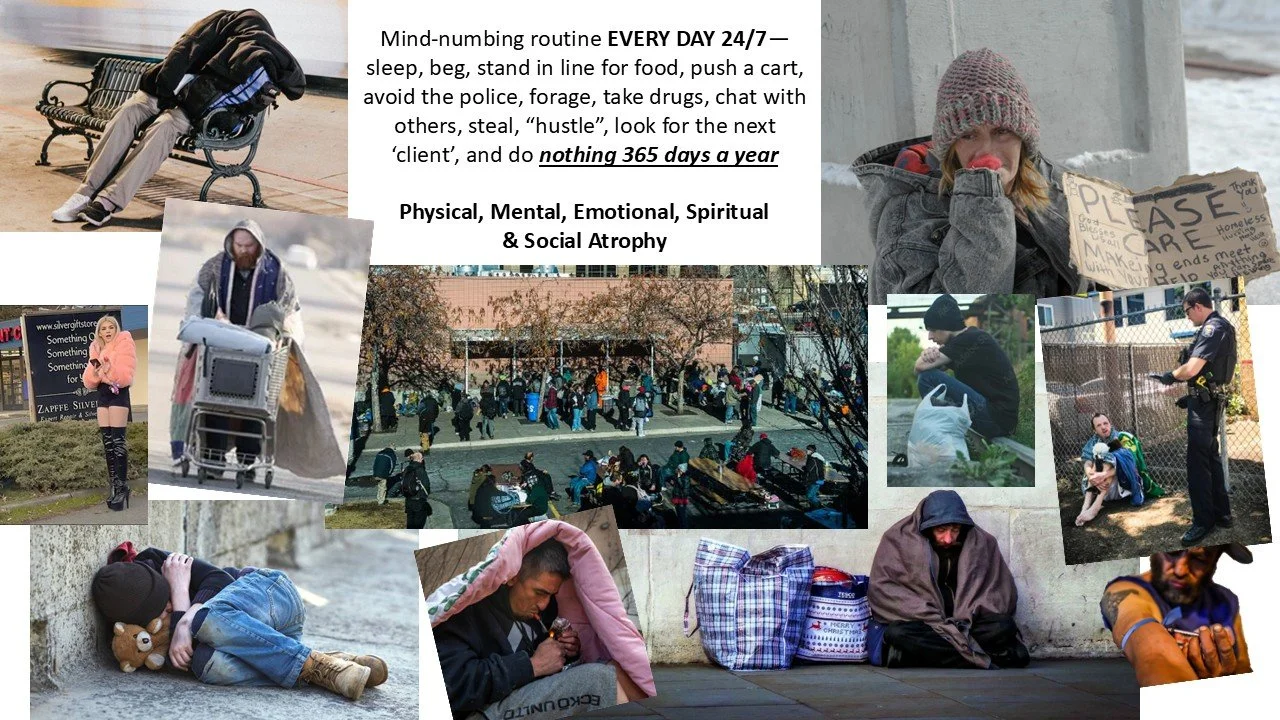
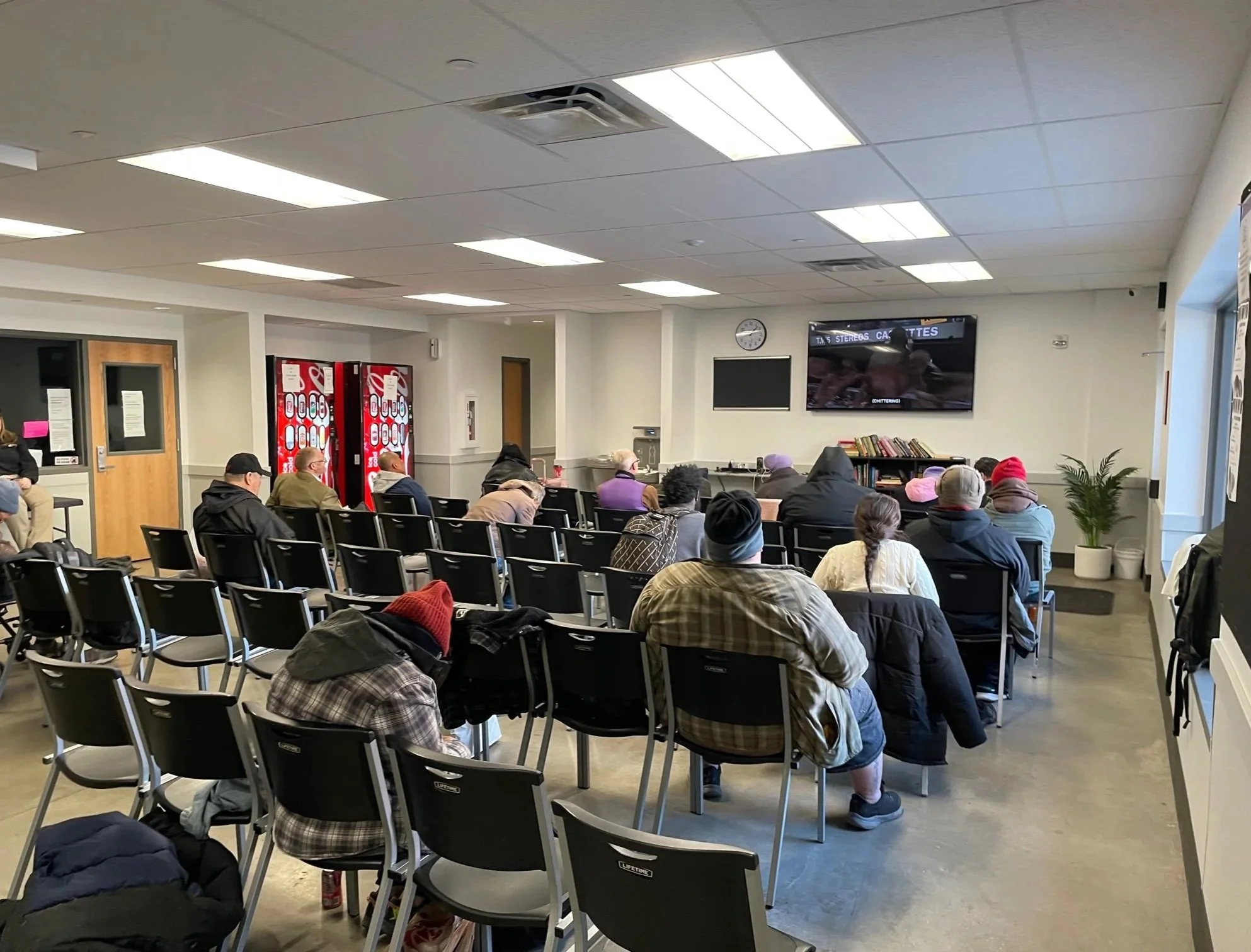
Boredom is another reason why many on the streets take drugs –– they are looking for a dopamine-hit in the midst of sheer boredom. There is little to inspire their minds, engage their senses, develop their talents, or elevate their moods. As a result, they get high to escape their reality for a few hours (until the “high” wears off and they come down and have to deal with the “lows” that accompany it).
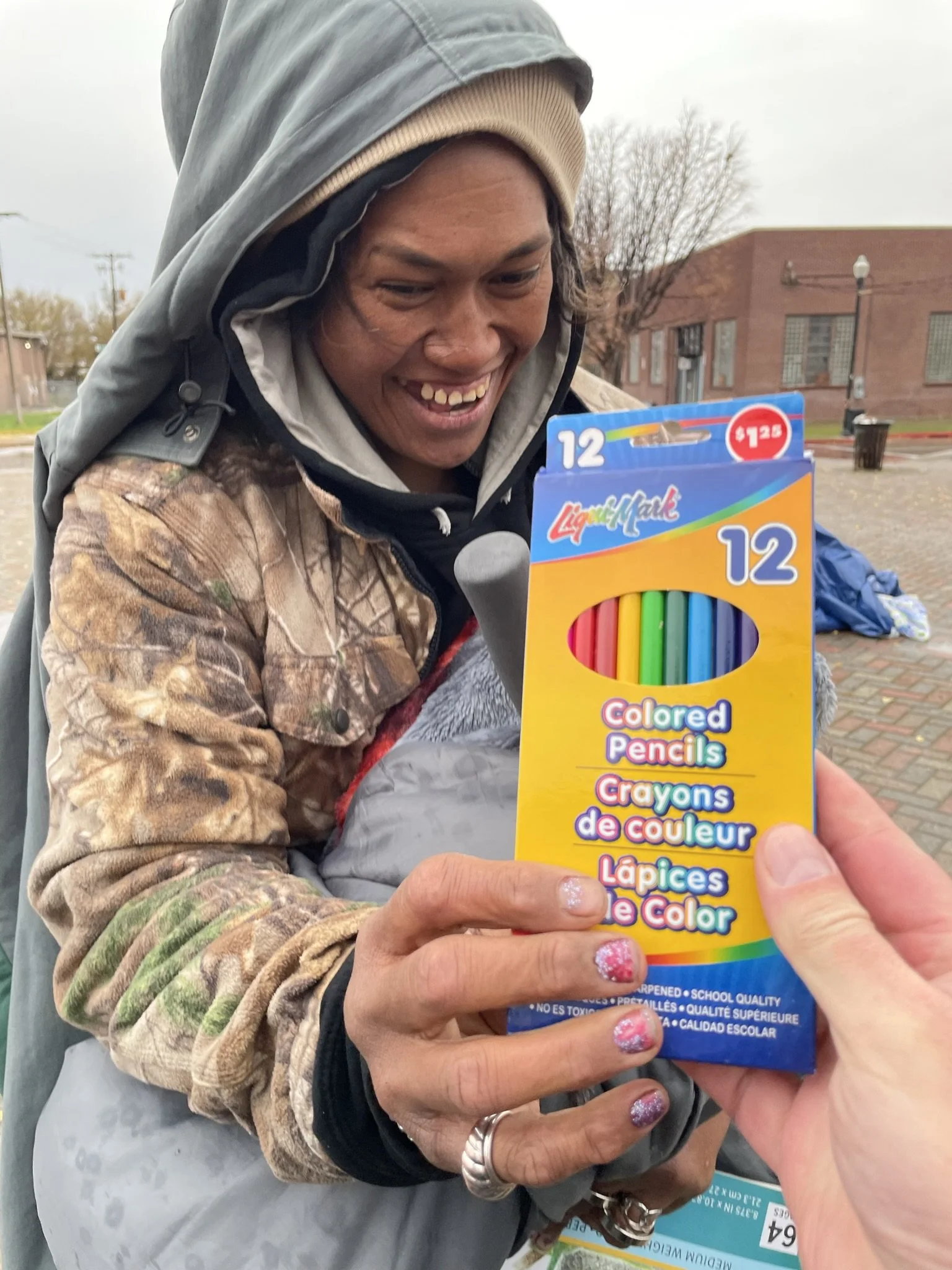
Notice how this immigrant woman reacted to receiving a pack of colored pencils & a sketch pad from Dollar Tree for $2.50. She now has something to do to entertain herself throughout the day. Click the audio link below to hear how other recipients responded when given Uno cards, crossword puzzles, word searches, sudoku puzzles, and journals & pens:
Most people on the streets do not have access to laundry facilities and only limited access to showers 1-2 times per week if they are in a shelter or able to benefit from Showers of Hope. If not, it can be several weeks before they can bathe. Their clothes are disposable hand-me-downs and constantly being replaced as they get too soiled to wear and are simply thrown away. Clean underwear and socks are a premium and always needed.
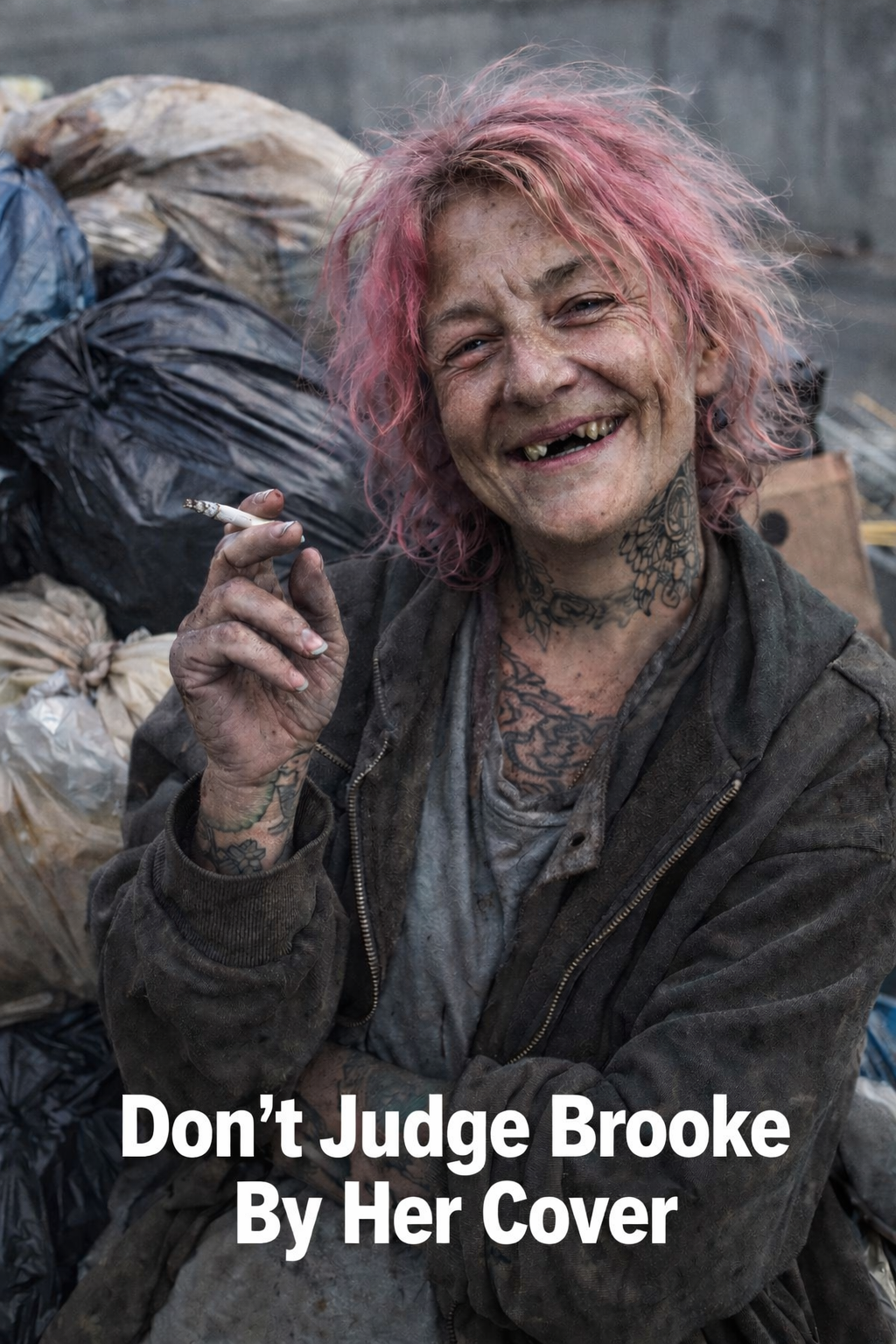
The government’s “spend-more” approach misses the mark in part because it does not include measures to connect with people at the social, emotional, intellectual or motivational levels where assimilation and self-actualization occur.
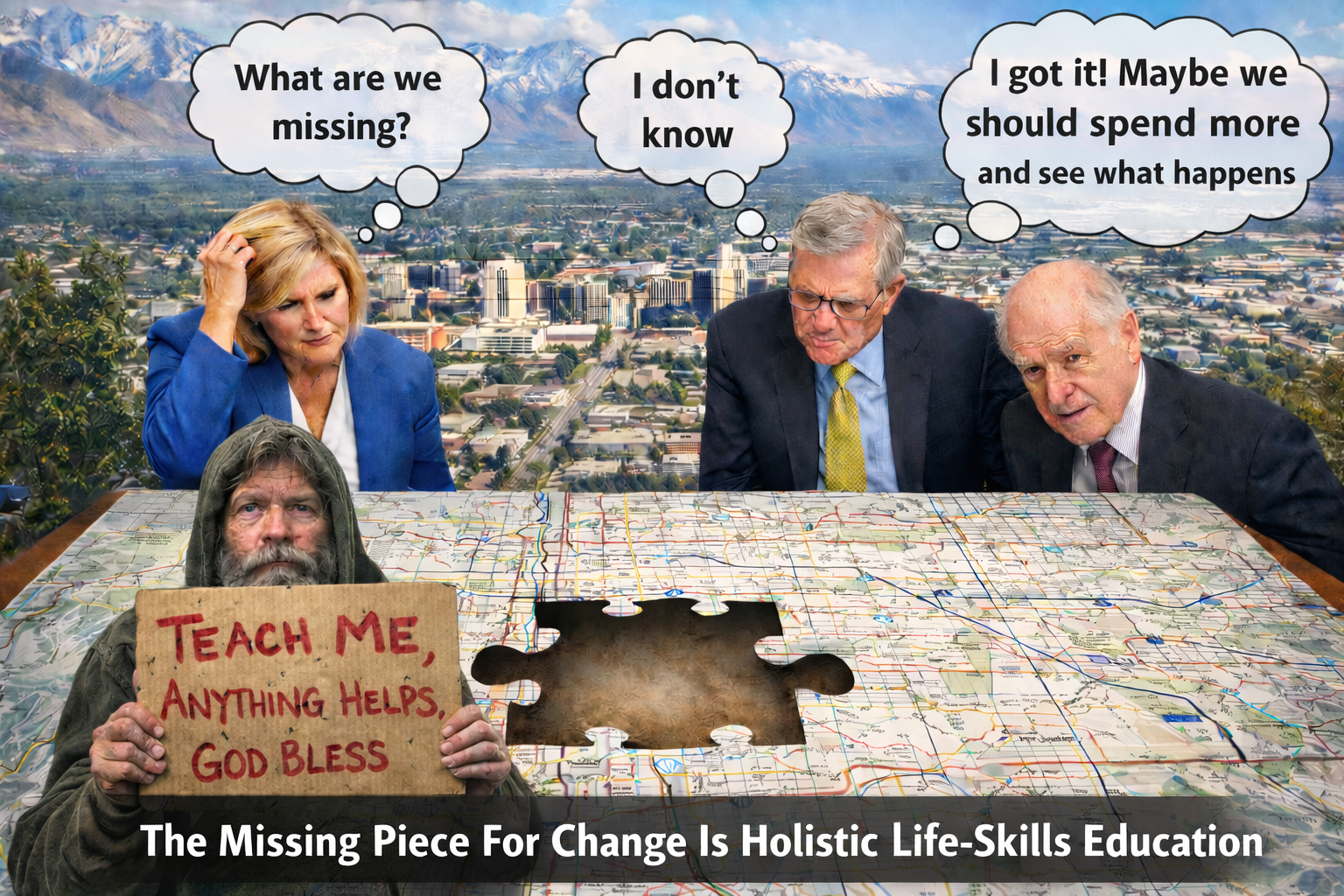
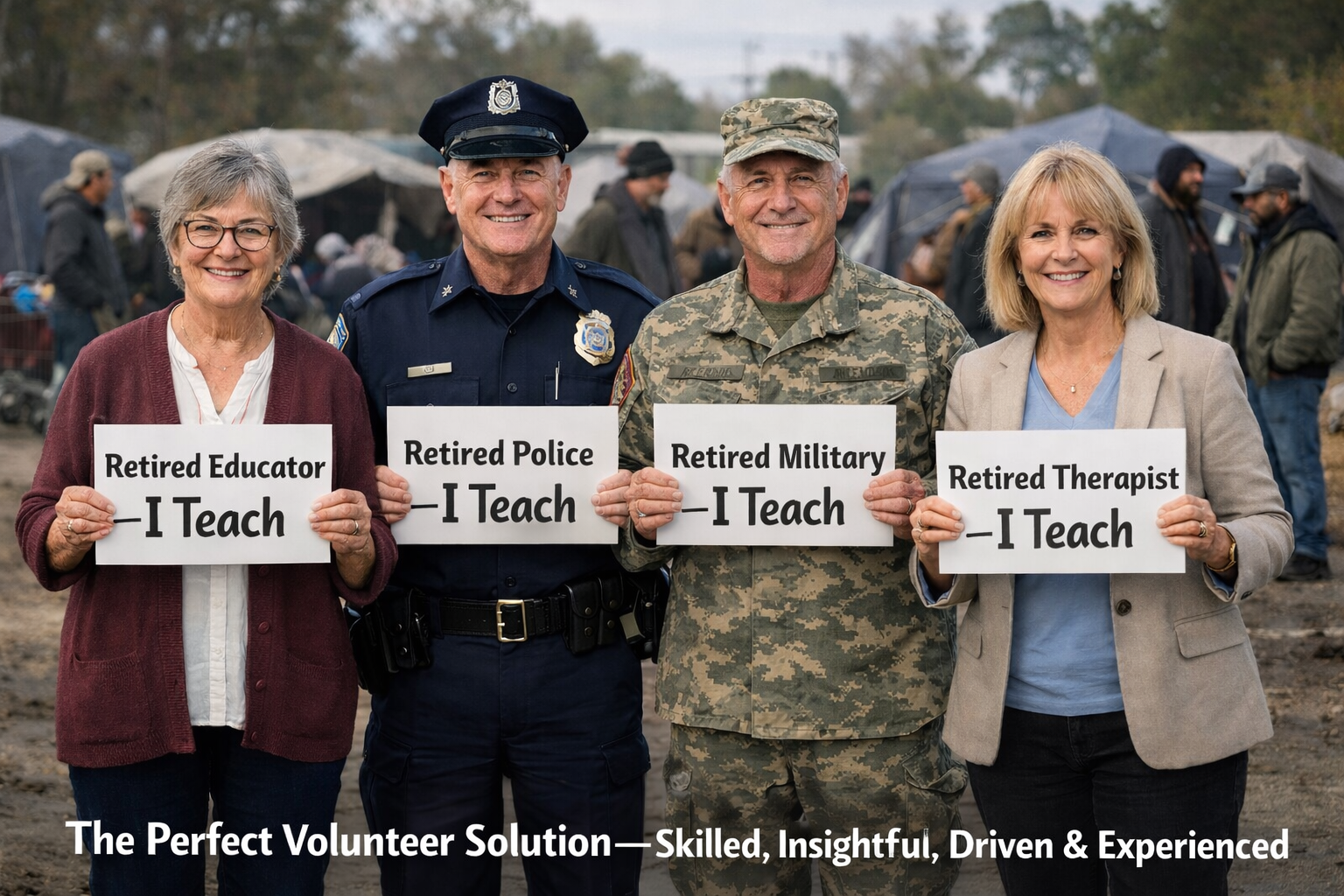
This outreach is seeking to create a volunteer teaching force consisting of retired educators, police, military, and therapists all drawing upon their skill sets at no cost to taxpayers. They know how to deal with the public (and difficult people), and because the homeless generally do not have access to therapists to help them manage life stresses and difficult emotions—these trained professionals can offer that service including how to develop proper thinking skills and behavioral patterns. Such altruistic people are a crucial resource scattered among us. Police chief, Brian Redd said, “We recently revised our mission vision and values. Our new values includes service ,empathy, respect, valor, and excellence. The first letter of each value spells the word “SERVE.” We want to be focused on service while doing what we are asked to do.” This is precisely the attitude and approach that will effect change and there are many retired dedicated professionals who can fill this role. If you are one of them, please contact me.