Q: What causes homelessness? Is it because of life circumstances outside of their control, bad luck, or poor choices & bad behaviors?
A: It depends on the person. Homelessness is caused by all of the above and often several things simultaneously— mental health struggles (which can include lack of medication & proper diagnosis and/or therapy), drug or alcohol addiction, and poor life choices as well as circumstances outside their control.
Q: If homelessness doesn’t affect me or my family directly, then why should I care and get involved?
A: Homelessness impacts the public in ways that most don’t realize resulting in increased taxes to fund homeless programs, hiring more police, and property values being affected. Other factors include crime, drug manufacturing & dealing, human trafficking, prostitution, gangs, robbery, and vandalism.
Q: Don’t shelters give them a place to sleep, free meals, and clothing?
A: Yes & No. Shelters usually operate on a first-come, first-served basis. If your number isn’t called, then you are sleeping outside unless another shelter has beds that are available.
Q: Will putting them in some form of public or private housing program solve the problem?
A: Yes & No. Merely putting someone in a housing unit without effective life-skills and changed thinking can backfire and get them exited from their housing unit and back onto the streets again.
Q: Is drug addiction or mental health the bigger problem?
A:In the end it doesn’t matter because both are intertwined and reinforcing. Any addiction can create mental health problems such as anxiety, depression, guilt, shame, or fear and because the homeless are not always able to get adequate medication, they often turn to their cheapest street alternative that often includes ingredients like carpet powder, lithium-ion batteries, mascara, coffee grounds, powdered milk or talcum powder. Overdoses are common and coming off of a “high” is often severe and triggers a low mood which begins the fear/craving cycle to offset those feelings–it’s a painful, terrifying cycle.
Q: How many living on the streets have mental health issues & what is the best way to interact with them?
Q: Why does there seem to be an influx of homeless people coming into Utah?
A: Three reasons: 1) Utah tends to have more resources available 2) be more affluent and safer than other states 3) and is more generous because of high religiosity rates. Some also get stuck here on their way to other states.
Q: Besides housing & food, what other resources do they need? *Click here
Q: What happens if they get sick or hurt on the streets?
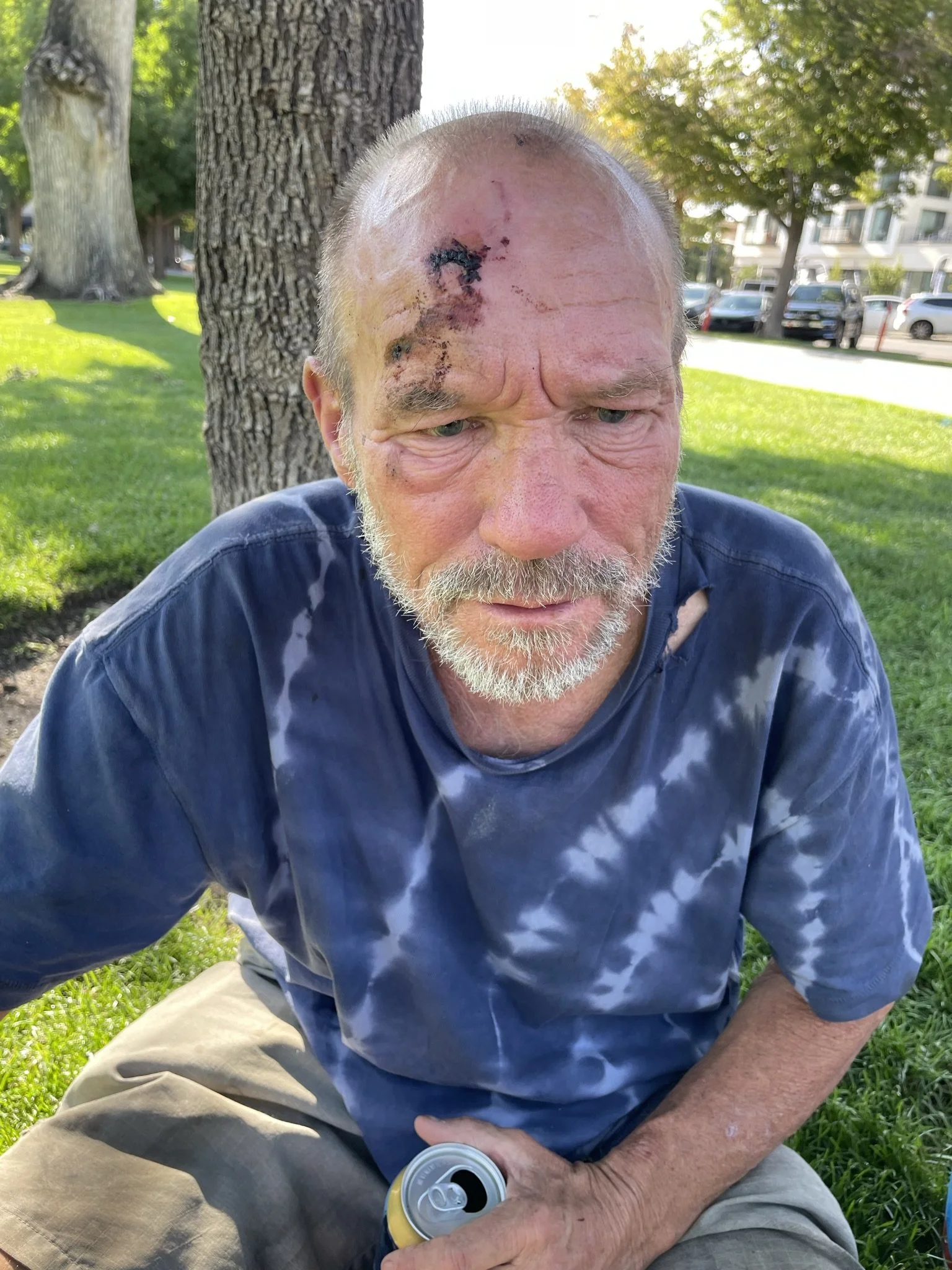
A: An ambulance will come if someone calls 911 and then takes them to the nearest hospital for evaluation. If the injuries are not life-threatening, they are usually released back on to the streets with minimal medication.
Q: How do they defend themselves?
A: Many come from a prison background and know how to fight, while others have to learn how to fend off attackers however they can. Many carry some form of protection but if found by the police during searches they are immediately confiscated. The safest way to protect oneself is to create alliances and work together for protection.
Q: What Are Some Ways My Family and I Can Get Involved?